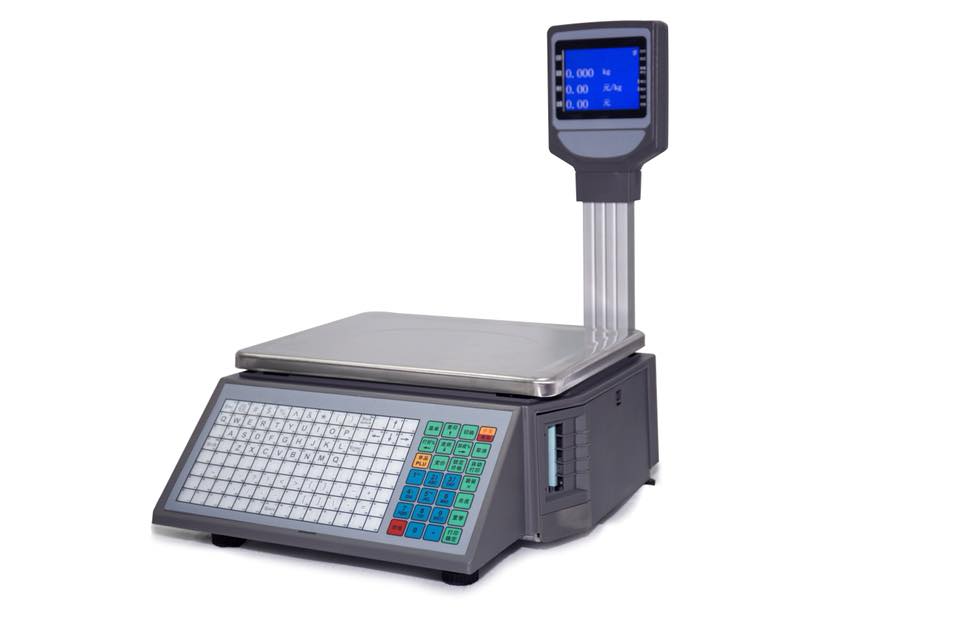
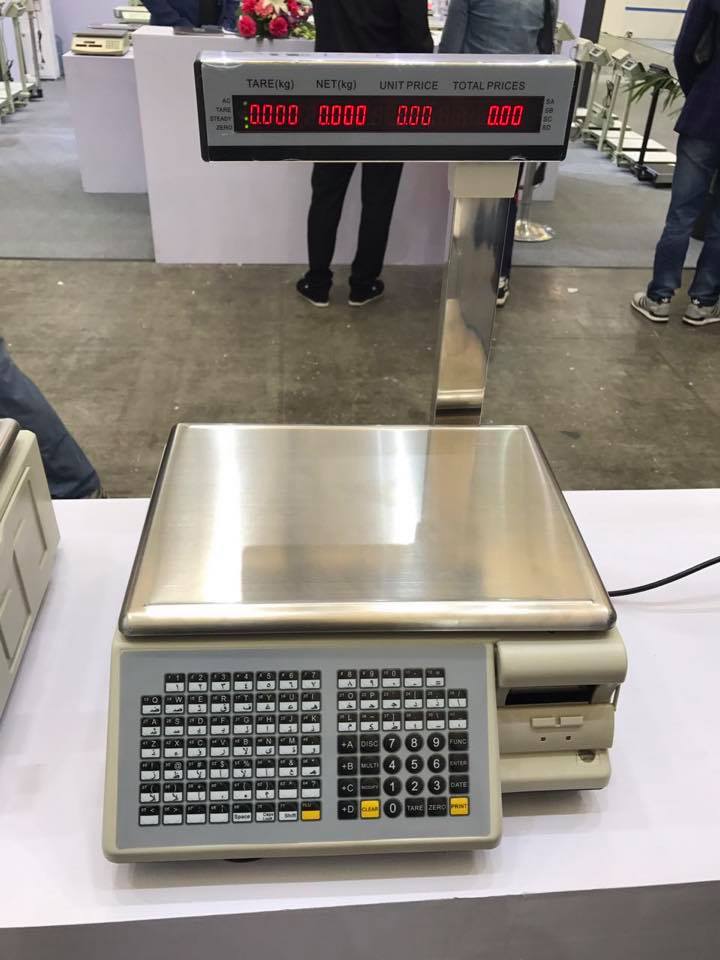
In modern retail, efficiency and accuracy are critical at every stage of the sales process. For products sold by weight—such as fresh produce, meat, deli items, and baked goods—barcode printers play a vital role in transforming accurate measurements into clear, scannable information. From weighing to checkout, barcode printers help retailers streamline operations, reduce errors, and improve customer experience.
1. Turning Weight Data into Scannable Labels
Once a product is weighed, barcode printers instantly convert that data into a barcode label. These labels typically include essential information such as product name, weight, price, unit cost, and barcode. This automation ensures consistency and accuracy while eliminating manual labeling.
2. Speeding Up Product Preparation
Barcode printers allow staff to label items quickly and efficiently at weighing stations or service counters. This speeds up product preparation in busy retail environments and ensures shelves are stocked promptly with correctly labeled goods.
3. Improving Checkout Efficiency
Pre-labeled items scan instantly at the point of sale, removing the need for re-weighing or manual price entry. This reduces transaction times, shortens queues, and creates a smoother checkout experience for customers.
4. Reducing Pricing and Labeling Errors
Manual labeling increases the risk of incorrect pricing or missing information. Barcode printers ensure that every label is generated from accurate scale data, reducing errors and minimizing pricing disputes or refund requests.
5. Supporting Inventory and POS Integration
Barcode printers integrate with POS and inventory management systems, allowing sales data to be captured automatically when items are scanned. This improves stock tracking, simplifies reporting, and supports better inventory control across the store.
6. Ensuring Compliance and Transparency
Retailers must comply with weights and measures regulations and provide clear pricing information. Barcode printers help meet these requirements by producing legible, consistent labels that include all necessary details, improving transparency for customers and inspectors alike.
7. Versatility Across Retail Departments
Barcode printers are used across multiple departments, including:
- Produce and fresh food sections
- Meat, fish, and deli counters
- Bakeries and ready-meal areas
- Pre-packaged goods
Their flexibility makes them a valuable asset in both small stores and large supermarket chains.
Conclusion
From weighing to labeling and checkout, barcode printers play a crucial role in modern retail operations. By converting accurate weight data into clear, scannable labels, they improve efficiency, reduce errors, and support inventory management. For retailers looking to optimize workflows and enhance customer satisfaction, barcode printers are an essential component of a streamlined retail system.