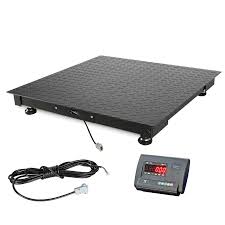
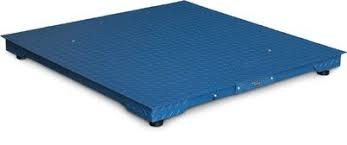
Floor scales are essential tools in industrial, warehouse, shipping, and manufacturing environments. They provide accurate measurements of heavy or bulky items, streamline operations, and ensure safety. Choosing the right floor scale requires understanding key factors such as capacity, accuracy, and features. This guide breaks down these essential considerations to help businesses make informed decisions.
What Are Floor Scales?
A floor scale is a robust weighing platform designed for heavy-duty industrial and commercial use. Unlike small retail scales, floor scales can handle large, bulky items such as pallets, machinery, raw materials, or packaged goods. They are commonly used in:
- Warehouses and distribution centers
- Manufacturing facilities
- Shipping and logistics operations
- Construction sites
- Food processing plants
Understanding Floor Scale Capacities
Capacity refers to the maximum weight a scale can measure accurately. When selecting a floor scale, consider:
- Light-Duty Scales: Usually up to 500 kg – suitable for small warehouses, retail, or light materials.
- Medium-Duty Scales: Typically 500 kg – 5 tons – ideal for standard warehouse or factory use.
- Heavy-Duty Scales: Can handle 5 tons to 50 tons or more – used in industrial plants, shipping yards, or construction operations.
Choosing the right capacity ensures safety and prevents damage to the scale. Always select a scale slightly above the heaviest load you expect to weigh.
Accuracy Matters
Accuracy determines how precise a scale is when measuring weight. For industrial floor scales:
- Digital scales usually offer precision within ±0.1% to ±0.2% of full scale.
- Heavy-duty scales may have slightly lower precision due to their high capacity.
- High-precision floor scales are essential for operations where small differences in weight impact production, shipping costs, or compliance.
Tips for ensuring accuracy:
- Regular calibration according to manufacturer guidelines
- Avoid overloading or unevenly placing items on the platform
- Keep the platform clean and free from debris
Key Features of Floor Scales
Modern floor scales offer a variety of features to improve efficiency, usability, and safety:
- Platform Size: Match the platform to the size of the items being weighed. Larger platforms accommodate pallets or machinery.
- Display Type: Backlit LCD or digital displays allow for easy reading in dimly lit areas.
- Weighing Units: Most scales offer kg, lb, and ton units for versatility.
- Tare Function: Allows users to subtract container weight for net weight measurement.
- Auto-Hold Function: Keeps weight displayed even after the item is removed.
- Durable Construction: Stainless steel or powder-coated platforms resist corrosion and wear.
- Connectivity: Some digital scales offer USB, RS232, or wireless options for integration with inventory or shipping software.
- Portability: Some floor scales are portable for temporary weighing needs.
Applications of Floor Scales
Floor scales are versatile and used in various industries:
- Warehousing: Quick and accurate weighing of pallets and bulk shipments
- Manufacturing: Monitoring raw materials and finished goods
- Shipping and Logistics: Ensuring correct shipping weights for freight and compliance
- Construction: Weighing heavy machinery and building materials
- Food & Beverage: Accurate measurement of bulk ingredients and packaged goods
Maintenance Tips
To maintain accuracy and prolong the lifespan of your floor scale:
- Regularly calibrate the scale using certified weights
- Keep the platform and load cells clean
- Avoid exceeding maximum capacity
- Inspect for physical damage or wear
- Store in a dry environment if the scale isn’t stainless steel
Conclusion
Understanding capacity, accuracy, and features is essential when selecting a floor scale for your business. The right scale ensures accurate measurements, improves operational efficiency, enhances safety, and supports long-term productivity. Whether you need a light-duty digital scale for a small warehouse or a heavy-duty industrial scale for a factory, choosing the proper floor scale based on these factors is critical.
Invest in the right floor scale to optimize your industrial operations and maintain reliable, accurate weighing for years to come.