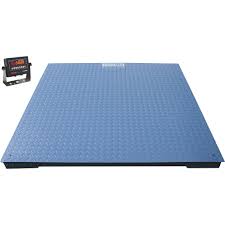
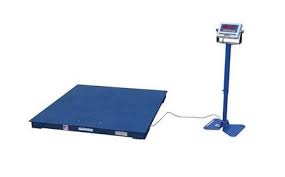
Selecting the right floor scale is crucial for businesses that depend on reliable weight measurement — whether you’re operating a warehouse, manufacturing facility, logistics center, or industrial plant. With a wide range of options available, understanding how floor scales stack up in terms of accuracy, durability, and value helps you make smarter purchasing decisions.
In this review guide, we compare key types of floor scales, highlight what to look for, and break down the features that matter most for long-term performance and cost-effectiveness.
Why Floor Scale Reviews Matter
Floor scales are not one-size-fits-all. Different models vary significantly in:
- Weighing precision
- Load capacity
- Build quality and durability
- Advanced functionality such as data export or connectivity
These differences affect operational performance, total cost of ownership, and return on investment. Our comparison revolves around three essential criteria: accuracy, durability, and value.
What Makes a Floor Scale Accurate?
Accuracy Defined
Accuracy refers to how close the scale’s measurement is to the true weight. For industrial applications, even small inconsistencies can lead to inventory errors, shipment penalties, or production inefficiencies.
What Impacts Accuracy?
- Load Cell Quality: High-grade strain gauge load cells deliver better precision.
- Calibration: Regular calibration ensures continued accuracy over time.
- Environmental Factors: Level installation, vibration control, and cleanliness affect readings.
Top accuracy performers typically offer precision within ±0.1% to ±0.2% of full capacity — especially important for high-value or compliance-driven industries.
Durability — Built for Tough Conditions
Industrial environments are harsh: heavy loads, spills, vibrations, and frequent use put scales to the test.
Durability Traits to Look For
✔ Reinforced Steel Platforms
Extra-thick, welded steel frames withstand impact and heavy loads.
✔ Stainless or Powder-Coated Surfaces
Protect against corrosion from moisture, detergents, or chemicals.
✔ Sealed Load Cells
Shields sensors from dust, water, and contaminants.
✔ Heavy-Duty Feet or Mounts
Minimize wear from repeated loading and movement.
Models built with these features typically outlast lighter consumer-grade scales and maintain performance under heavy duty.
Value — Getting the Most for Your Investment
Value isn’t just about price — it’s about price vs performance over the life of the scale. A low-cost scale may save money upfront but lead to more maintenance and replacement costs down the road.
What Adds Value
- Long Warranty Coverage
- Low Maintenance Requirements
- Connectivity and Reporting Features
- Modular Scalability
- Easy Calibration Procedures
Good value scales balance upfront cost with robust features and long-term reliability.
Comparing Popular Floor Scale Categories
Here’s how common floor scale types typically compare across our key criteria:
|
Floor Scale Type |
Accuracy |
Durability |
Value Proposition |
|
Basic Floor Scales |
★★☆☆☆ |
★★☆☆☆ |
Best for light use; low cost |
|
Mid-Range Digital Scales |
★★★★☆ |
★★★☆☆ |
Good balance for many businesses |
|
Heavy-Duty Industrial Scales |
★★★★★ |
★★★★★ |
Ideal for demanding environments |
|
Portable Floor Scales |
★★★☆☆ |
★★☆☆☆ |
Convenient mobility, moderate accuracy |
|
Washdown/IP-Rated Scales |
★★★★☆ |
★★★★☆ |
Suitable for harsh or wet conditions |
Features to Consider in Floor Scale Reviews
1. Display and Ease of Reading
Large backlit displays help reduce operator errors, especially in dimly lit warehouse areas.
2. Connectivity Options
USB, RS232, Bluetooth, or wireless connectivity makes integrating scales with inventory systems easier.
3. Platform Size
Match scale size to the items being weighed — oversized platforms improve safety and ease of use.
4. Tare, Auto Hold, and Overload Protection
These functions make weighing more efficient and protect the scale from misuse or damage.
5. Calibration and Serviceability
Scales that are easy to service and calibrate save time and reduce downtime.
Case Highlights: When to Choose What
✔ For Warehouses with Heavy Pallets:
Go with heavy-duty industrial floor scales for reliability and long lifespan.
✔ For Light Manufacturing or Shipping:
Mid-range digital scales offer excellent accuracy and good value.
✔ For Occasional Weighing Needs:
Basic or portable scales may provide sufficient performance at a low cost.
✔ For Moist or Harsh Environments:
Choose scales engineered for washdown or IP-rated protection.
Final Thoughts
When reviewing floor scales, accurate measurement and durability are must-have traits — but value is what ensures your investment pays off in the long run. Choosing the right balance of performance, longevity, and total cost of ownership means fewer disruptions, lower maintenance costs, and more reliable operations.
Whether you need a rugged industrial platform or a reliable mid-range solution, understanding how scales compare across accuracy, durability, and value empowers you to make the best choice for your business needs.