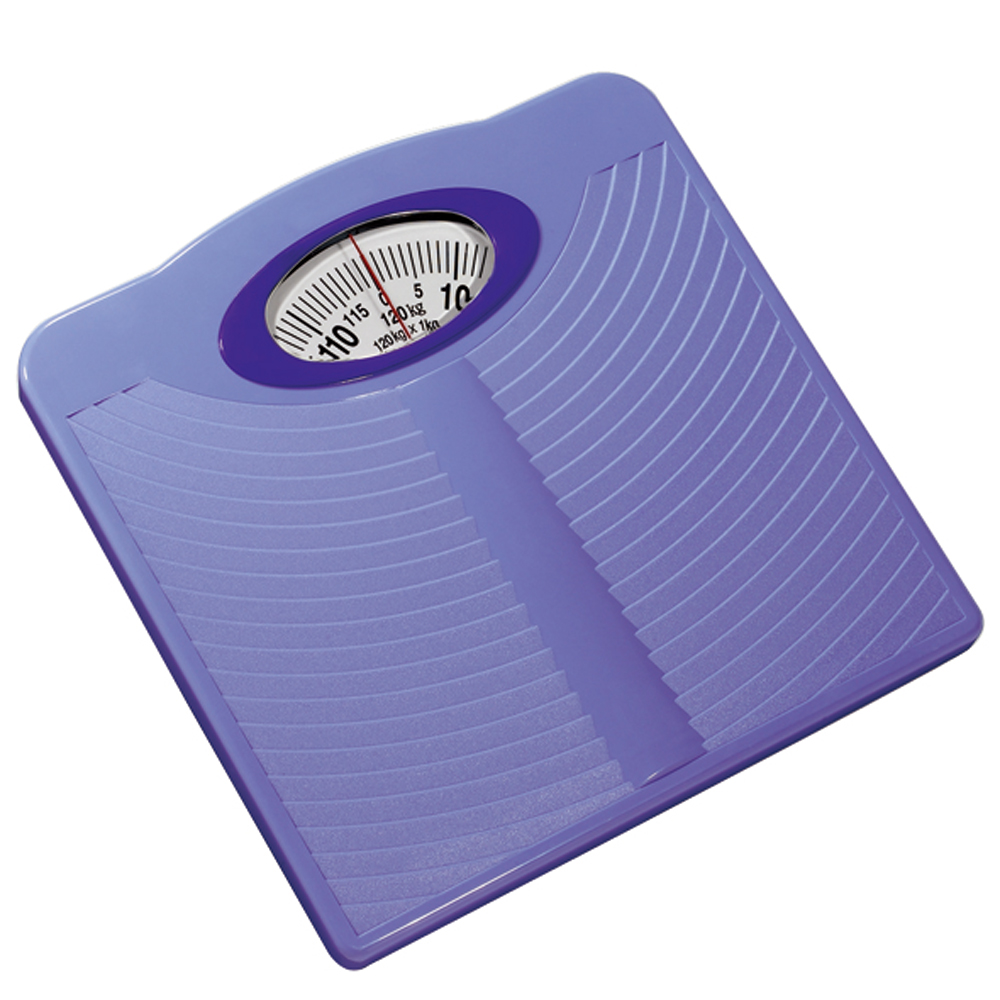
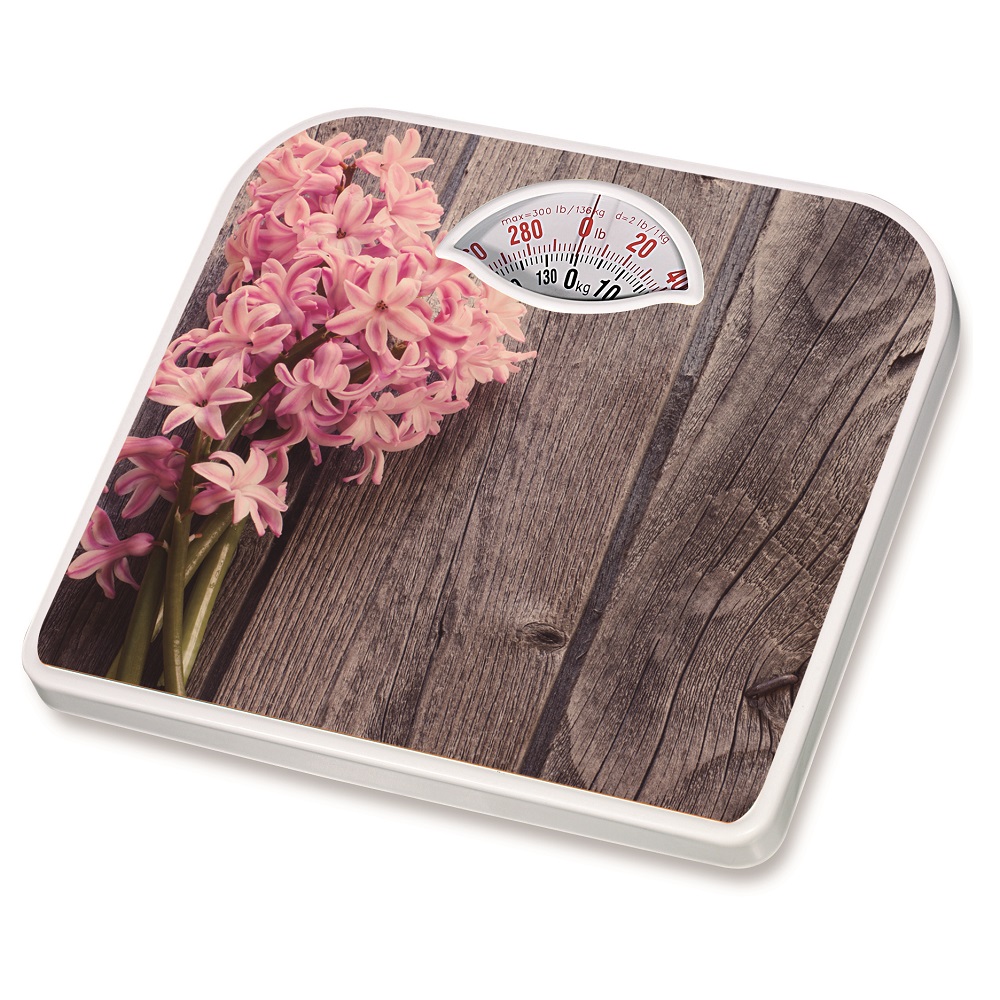
Mechanical bathroom scales—often called "Doctor's Style" or "Professional" scales—are prized for their durability, lack of batteries, and oversized, stable platforms. Unlike digital scales, they use a heavy-duty internal spring mechanism.
If you are looking for an extra-large mechanical scale, here are the standard specifications and top-rated models for 2026.
1. Typical Technical Specifications
- Weight Capacity: Usually 330 lbs to 400 lbs (150–180 kg). High-end medical versions like the Adamson A28 can reach even higher.
- Platform Size: Typically 12" x 17" or 13" x 18". This is significantly larger than standard 11" x 11" digital scales.
- Dial Diameter: Large dials range from 5 to 8 inches for high visibility.
- Precision (Graduation): Increments of 1 lb or 0.5 kg.
- Mechanism: Gear-driven mechanical spring with a zero-adjustment cog for manual calibration.
2. Top Recommended Models (2026)
|
Model |
Max Capacity |
Platform Size |
Key Feature |
|
Adamson A25 / A27 |
400 lbs (180 kg) |
12.4" x 10.2" |
20-year warranty; gold or chrome finishes. |
|
Health O Meter 1096332 |
400 lbs (180 kg) |
14.5" x 11.8" |
"Big Foot" extra-wide platform; raised dial. |
|
Salter Academy Prof. |
330 lbs (150 kg) |
13.4" x 18.1" |
Massive anti-slip platform; medical-grade build. |
|
Taylor Precision 7" Dial |
300 lbs (136 kg) |
11.25" x 12" |
Retro chrome bezel; high-contrast "speedo" dial. |
3. Key Design Features
- No-Slip Surfaces: Usually finished with a textured rubber mat or ribbed vinyl to ensure stability even with damp feet.
- Durability: Constructed with a solid steel frame rather than plastic or tempered glass, making them much harder to break.
- Raised Dials: Some "Professional" models feature a dial that is slightly angled or raised toward the user to reduce parallax error (the misreading of the needle when looking from an angle).
4. Important Usage Notes
Calibration is Key: Mechanical scales can shift during shipping or if moved. Use the small wheel (usually at the back or base) to align the needle exactly to zero before your first weigh-in.
Surface Requirements: These scales must be used on a hard, flat surface (tile, wood, or stone). If used on a carpet, the internal levers will "bind," causing the scale to under-read your weight significantly.