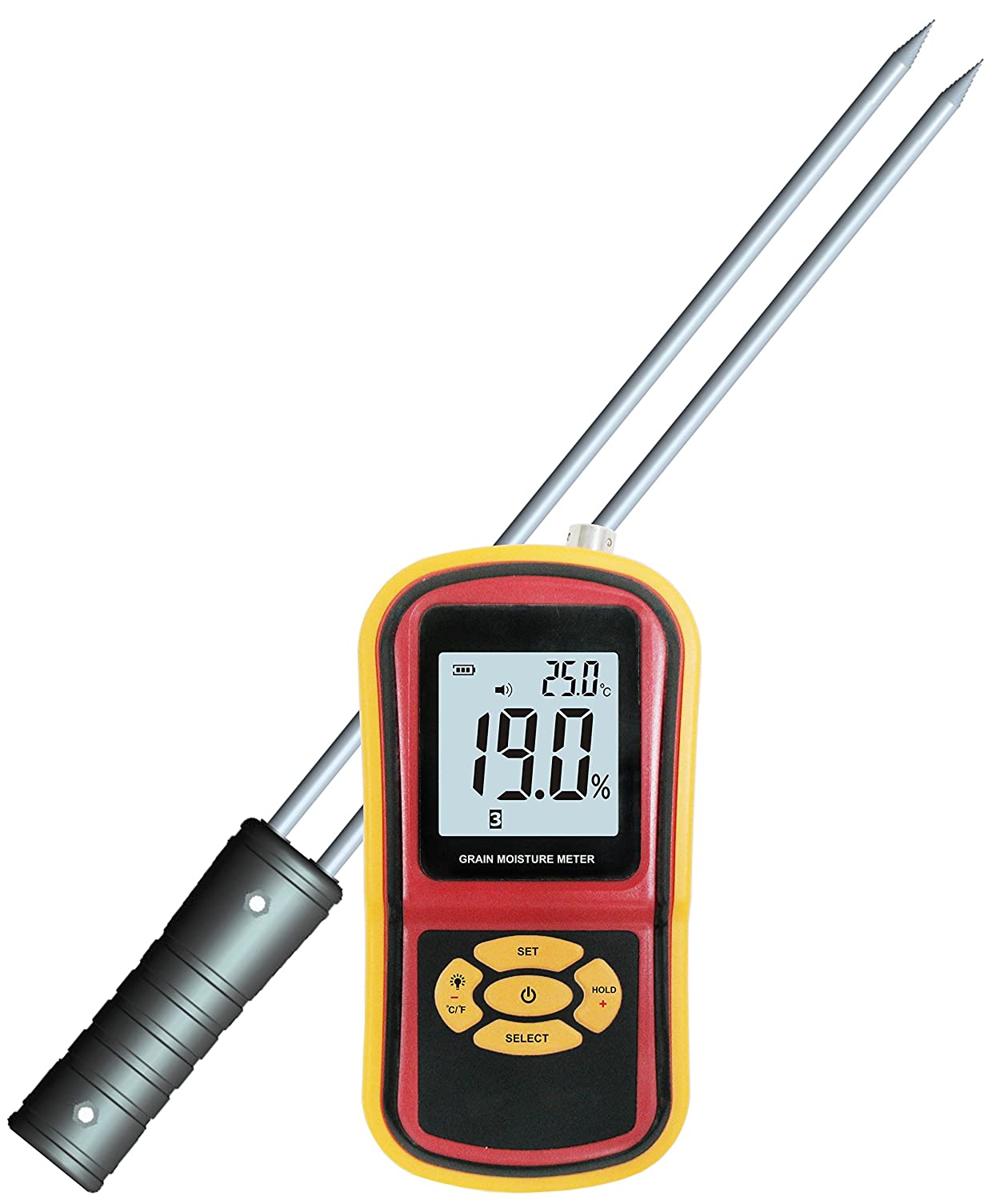
the gold standard for high-precision laboratory and industrial moisture testing. It combines a high-resolution electronic balance with a heating unit to determine moisture content via the Loss on Drying (LOD) method.
1. The 2026 Technology Standard
Modern analyzers have moved beyond simple heating. Current high-end models now feature:
- Halogen Heating: Reaches target temperatures faster and more uniformly than older ceramic or infrared elements, preventing "crusting" (where the outside dries but the inside stays wet).
- Predictive Analytics: Features like Mettler Toledo’s QuickPredict™ use algorithms to estimate the final moisture content within the first 2 minutes of a cycle.
- Smart Automation: Motorized lids and "SmartGuide" assistants that automatically suggest the best drying temperature for a specific sample type.
2. Top-Tier Suppliers & Models (2026)
|
Brand |
Tier |
Best Model |
Key Strength |
|
Mettler Toledo |
Premium |
HX204 |
0.001% Readability: The peak for Pharma & Biotech with full 21 CFR Part 11 compliance. |
|
Sartorius |
Premium |
MA160 |
AURI Heating: Exceptional thermal stability for high-volume food and beverage labs. |
|
Ohaus |
Professional |
MB120 |
Versatility: Stores up to 100 drying methods; the "workhorse" for general R&D. |
|
Radwag |
High-End |
PMV 5Y |
Microwave Drying: Ideal for samples with very high water content (up to 100%). |
|
A&D Weighing |
Industrial |
MX-50 |
Reliability: Excellent price-to-performance ratio for plastic resins and chemicals. |
3. Critical Specifications for Laboratory Use
When selecting a moisture balance, pay attention to these three technical metrics:
- Readability (Moisture): Most quality labs require 0.01%, but pharmaceutical applications often demand 0.001%.
- Repeatability: This is the machine's ability to give the same result for the same sample. High-end units have a standard deviation of <0.015% for a 10g sample.
- Switch-off Criteria: The "brain" of the analyzer. Look for units that allow you to set the test to stop based on a specific time or a specific rate of weight loss (e.g., stops when loss is <1mg in 60 seconds).
4. Essential Calibration & Maintenance
Because these are precision balances and ovens, they require dual calibration:
- Weight Calibration: Use a certified Class F weight (usually 50g or 100g) to ensure the balance remains accurate.
- Temperature Calibration: Use a specialized temperature kit (a digital thermometer that fits into the pan) to verify that "105°C" on the screen is actually 105°C inside the chamber.
5. Common 2026 Applications
- Plastics: Testing resin pellets to prevent "silver streaks" or bubbles in injection molding.
- Food: Ensuring the shelf-life of milk powder, grains, and spices.
- Chemicals: Monitoring the reactivity of moisture-sensitive compounds.
- Wastewater: Determining the "Total Solids" content in sludge samples.