When it comes to precision in the kitchen, a reliable scale can make all the difference. Whether you’re an avid baker, a home cook, or someone focused on portion control, choosing the right kitchen scale is essential. But with so many options available, you might wonder: digital or analog? Let’s break down the key differences to help you make the right choice.
1. Accuracy and Precision
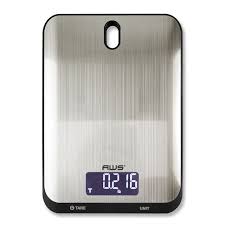
Digital scales are known for their high accuracy, often measuring down to 1 gram or even 0.1 grams. This makes them perfect for baking, weighing small quantities, or tracking ingredients for strict dietary plans.
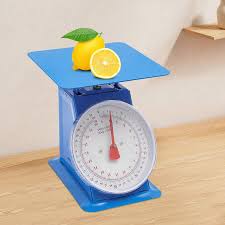
Analog scales, on the other hand, use a mechanical spring system. While they provide a good general measurement, they may not be as precise for small quantities, and readings can vary slightly depending on calibration and placement.
2. Ease of Use
Digital scales are typically easy to read with a clear LCD display. Many also include features like tare functions (which subtract the weight of containers) and unit conversions, making them highly user-friendly.
Analog scales have a classic dial design. While simple to operate, they require careful attention to read the measurements accurately. For quick, rough estimates, they work fine, but they’re not ideal for recipes requiring exact measurements.
3. Durability and Maintenance
Analog scales have fewer electronic components, which can make them more durable in certain conditions. They don’t rely on batteries and can last for years with minimal maintenance.
Digital scales, while precise, depend on batteries or charging. They can also be more sensitive to moisture, spills, or drops, so they require a bit more care.
4. Aesthetic and Style
Analog scales often have a charming, retro look that can complement a traditional or vintage-style kitchen. They’re also great as decorative pieces.
Digital scales are sleek, modern, and compact. They fit well in contemporary kitchens and are often lighter and easier to store.
5. Price Considerations
Analog scales are usually more affordable, making them a good choice if you need a simple, reliable tool without extra features.
Digital scales come in a range of prices, from budget-friendly models to professional-grade versions. The extra cost often pays off in precision, convenience, and features like unit conversion and memory functions.
Which Should You Choose?
- Choose a digital scale if precision, convenience, and versatility are your top priorities—perfect for baking, portion control, and following recipes accurately.
- Choose an analog scale if you value durability, simplicity, and a classic aesthetic, or if you mainly need approximate measurements for everyday cooking.
Ultimately, both types can serve you well, but understanding your kitchen needs will help you pick the one that fits your lifestyle best.