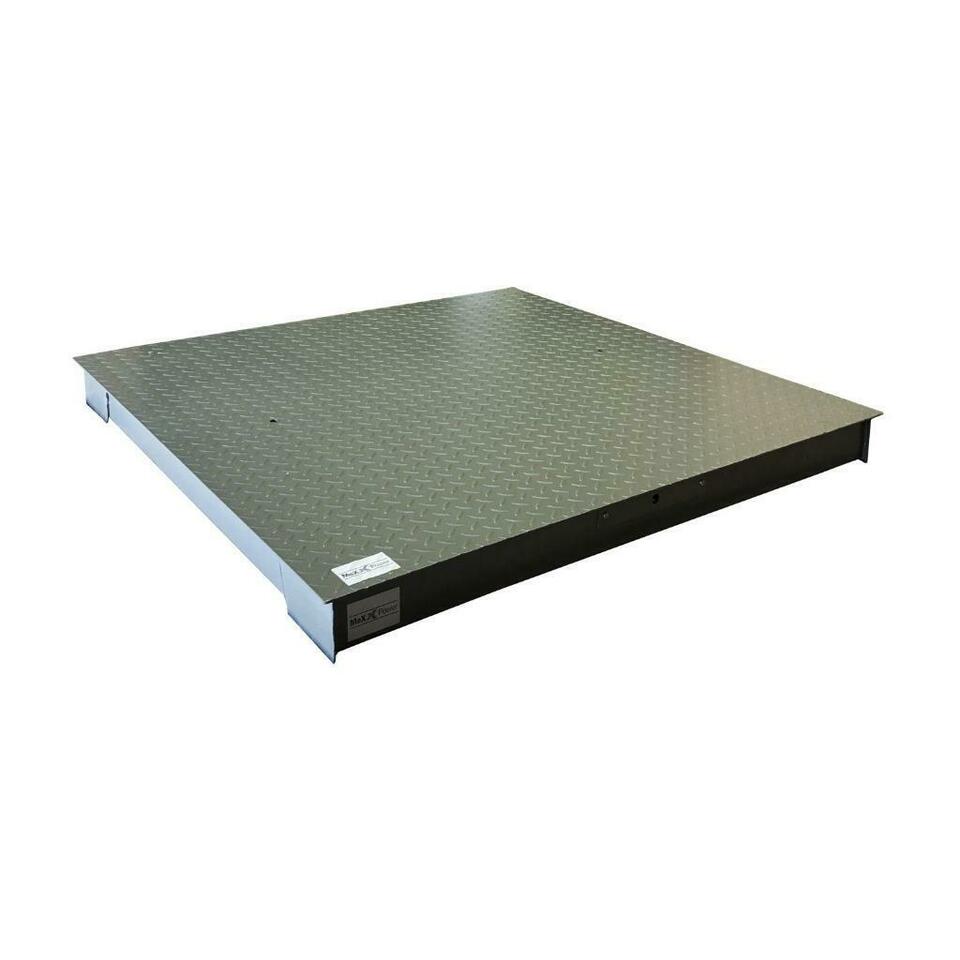
Digital platform weighing scales with a 1-ton (1,000 kg) capacity are the industry standard for weighing pallets, drums, and heavy bulk materials. These scales are engineered for durability, often featuring a low-profile design to allow easy access for pallet jacks and forklifts.
Below are the typical technical specifications and features you will find for a 1t capacity scale.
Technical Specifications
|
Feature |
Typical Specification |
|
Maximum Capacity |
1,000 kg (1 Ton) |
|
Readability (Accuracy) |
100 g or 200 g (Standard) |
|
Platform Size (Small) |
800 x 600 mm or 900 x 900 mm |
|
Platform Size (Standard) |
1,000 x 1,000 mm (1m x 1m) |
|
Platform Size (Large) |
1,200 x 1,200 mm (Standard Pallet Size) |
|
Platform Height |
80 mm to 110 mm (Low profile) |
|
Material |
Heavy-duty Mild Steel (powder-coated) or Stainless Steel |
|
Top Plate Type |
4 mm to 6 mm thick Checkered / Diamond anti-slip plate |
|
Load Cell System |
4 High-precision Shear Beam Load Cells (IP67/IP68 rated) |
|
Display |
High-visibility Red LED or Backlit LCD |
Key Features
- Structure: Most 1t scales utilize a "C-Channel" or square pipe reinforced frame to prevent the platform from warping under concentrated loads (like the wheels of a pallet jack).
- Power Source: Dual power operation; usually 230V AC mains power with a built-in 6V rechargeable battery backup (providing 20–50 hours of wireless use).
- Smart Functions:
- Tare/Zero: Subtracts the weight of the pallet or container.
- Accumulation: Adds multiple weigh-ins together for a total batch weight.
- Piece Counting: Useful for inventorying large quantities of identical heavy parts.
- Connectivity: Modern units often include an RS232 port for connecting to a PC or a thermal ticket printer for record-keeping.
- Leveling: Equipped with four adjustable, shock-resistant swivel feet to ensure accuracy on uneven warehouse floors.
Usage Considerations
- Environment: If you are weighing chemicals or food, look for Stainless Steel (SS) models. For general warehousing, Mild Steel (MS) with anti-rust powder coating is more cost-effective.
- Safety: Look for models with overload protection (mechanical stops) that protect the internal sensors if a load slightly exceeds 1,000 kg.
- Calibration: Most industrial units come factory-calibrated, but for legal trade (selling by weight), you may require a Class III Approved or stamped certificate.


