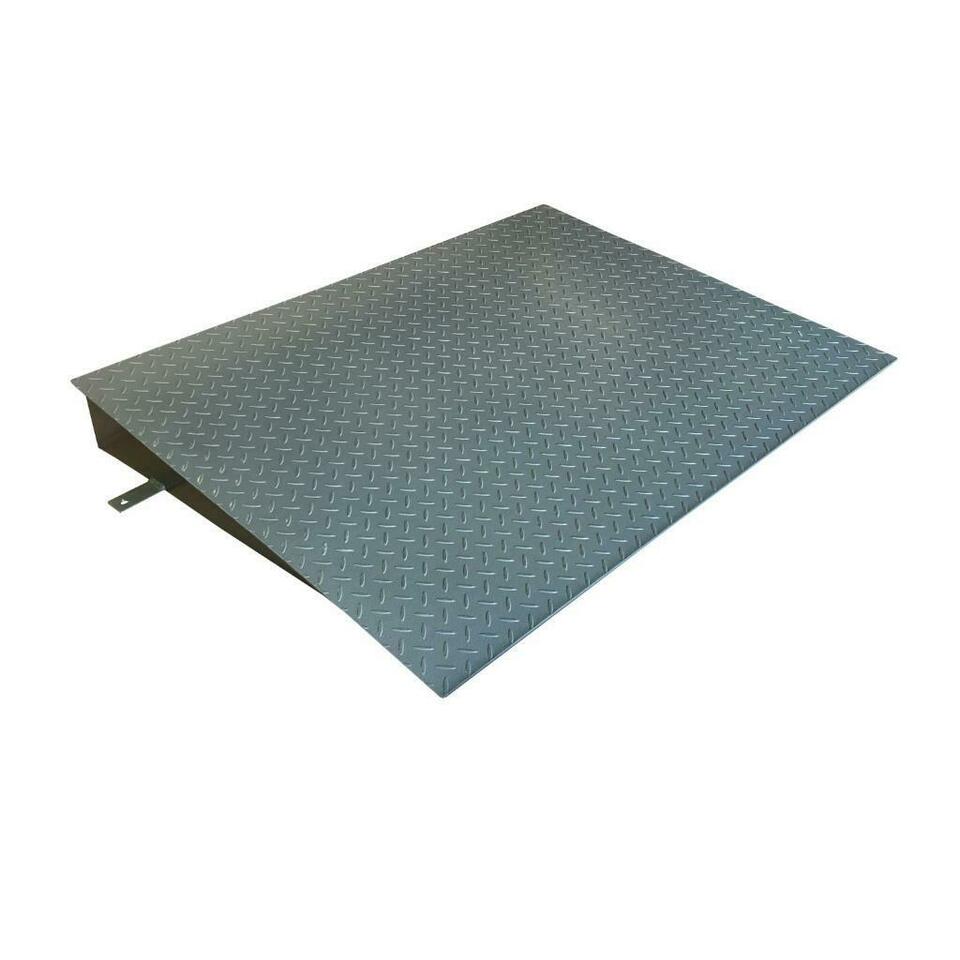
Digital heavy-duty platform weighing scales are industrial-grade instruments designed to measure large, bulky, or high-capacity loads with extreme precision. Unlike standard scales, these are built with reinforced structures to withstand the harsh environments of warehouses, factories, and shipping yards.
+1
Key Features & Construction
- Rugged Platform: Typically made from mild steel (for general use) or stainless steel (for food/chemical industries to prevent rust). Many feature a checkered "tear-drop" plate surface to provide anti-slip traction for heavy items or forklifts.
+1
- High-Capacity Load Cells: These scales use 1 to 4 high-precision strain gauge sensors (load cells) located under the platform. They convert the physical weight into an electrical signal with high accuracy.
+1
- Digital Indicator: A separate or pole-mounted LED/LCD screen that displays the weight. These often include a "Hold" function for moving items and a "Tare" function to subtract the weight of pallets or containers.
+1
- Overload Protection: Heavy-duty models are equipped with mechanical stops to prevent the load cells from being crushed if a weight exceeds the scale's limit.
Technical Specifications
|
Feature |
Standard Range |
|
Weight Capacity |
500 kg to 10,000 kg (10 tons) |
|
Accuracy (Readability) |
Typically 100 g to 1 kg (depending on total capacity) |
|
Platform Size |
Common sizes include 1m x 1m, 1.2m x 1.2m, or 1.5m x 1.5m |
|
Power Source |
AC mains power with a built-in rechargeable battery backup |
|
Ingress Protection |
Often IP65 to IP68 (dust-tight and water-resistant) |
Common Applications
- Logistics & Shipping: Weighing pallets, crates, and drums to calculate freight costs and prevent vehicle overloading.
- Manufacturing: Measuring raw materials and finished goods for quality control.
- Agriculture: Weighing bulk produce, livestock feed, or large bags of fertilizer.
- Waste & Recycling: Measuring scrap metal and industrial waste for trade purposes.
Benefits for Business
- Durability: Built to handle thousands of weigh-ins without losing calibration.
- Efficiency: Low-profile designs (often with optional ramps) allow for easy loading via pallet jacks or forklifts.
- Data Integration: Many modern digital scales feature RS232, USB, or Bluetooth connectivity, allowing weight data to be sent directly to a computer or printer for inventory tracking.