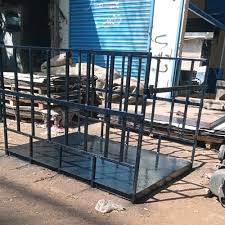
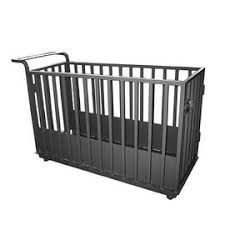
Accurate animal weighing is essential for livestock management, veterinary care, feed planning, medication dosing, and commercial transactions. Over time, animal weighing scales can lose accuracy due to regular use, environmental conditions, and mechanical wear. Regular calibration ensures reliable measurements, improves safety, and helps maintain compliance with industry standards.
Why Calibration Is Important
Calibration verifies that an animal weighing scale provides accurate and consistent readings. Inaccurate scales can lead to incorrect dosing of medication, poor feed management, financial losses, and potential non-compliance with trade or regulatory requirements. Routine calibration helps detect issues early and extends the lifespan of the equipment.
General Calibration Recommendations
While the exact calibration frequency depends on usage and conditions, the following guidelines are widely recommended:
• At least once every 12 months
Annual calibration is the minimum requirement for most animal weighing scales, especially those used in commercial or professional environments.
• Every 3–6 months for heavy use
Scales used daily on farms, in livestock markets, or veterinary practices should be calibrated more frequently to maintain accuracy.
• After relocation or installation
Moving a scale to a new location or reinstalling it can affect load cell alignment and performance. Calibration should always be carried out after relocation.
• After repairs or impact damage
Any repairs, component replacements, or accidental impacts (such as being struck by heavy livestock or machinery) require immediate recalibration.
Factors That Affect Calibration Frequency
Several factors can increase the need for more frequent calibration:
• High animal traffic and constant loading
• Exposure to moisture, dust, or extreme temperatures
• Uneven or unstable ground conditions
• Use in outdoor or wash-down environments
• Legal-for-trade or compliance requirements
Scales operating under these conditions may require more frequent calibration checks to ensure accuracy.
Signs Your Animal Scale Needs Calibration
Even if regular calibration is scheduled, watch for warning signs such as:
• Inconsistent or fluctuating readings
• Weights that do not return to zero
• Noticeable differences when weighing the same animal multiple times
• Error messages or indicator faults
If any of these occur, calibration should be performed immediately.
Who Should Perform Calibration?
Calibration should be carried out by qualified technicians using certified test weights. Professional calibration ensures traceability to recognised standards and provides documentation that may be required for audits or legal compliance.
Best Practices for Maintaining Accuracy
• Place scales on level, stable surfaces
• Clean platforms regularly to prevent debris buildup
• Avoid overloading beyond the rated capacity
• Follow manufacturer maintenance guidelines
• Keep calibration records for reference and compliance
Conclusion
Animal weighing scales should be calibrated at least once a year, with more frequent calibration recommended for heavily used or legally regulated equipment. Regular calibration ensures accurate weight readings, protects animal welfare, and supports efficient farm and veterinary operations.
For professional calibration services, expert advice, and reliable animal weighing solutions, working with a trusted specialist helps ensure your equipment remains accurate and compliant.