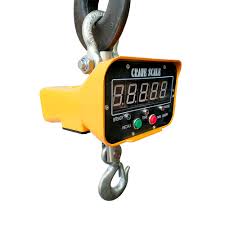
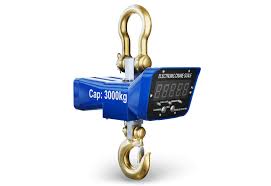
Crane scales are essential tools in industries such as construction, manufacturing, shipping, and logistics. While they provide accurate weight measurements for suspended loads, improper use can lead to serious accidents, equipment damage, and costly downtime. Following proper crane scale safety guidelines is critical when performing heavy lifting operations.
This article outlines key safety principles, best practices, and operational guidelines to help ensure safe and reliable crane scale use.
Why Crane Scale Safety Is Critical
Heavy lifting involves suspended loads, which pose inherent risks. Unsafe crane scale practices can result in:
- Load drops or swings
- Overloading of cranes or lifting equipment
- Injury to operators and nearby workers
- Damage to materials and infrastructure
- Non-compliance with safety regulations
Proper safety procedures reduce these risks while improving efficiency and confidence during lifting operations.
1. Choose the Right Crane Scale for the Job
✔ Verify Load Capacity
Always ensure the crane scale’s rated capacity exceeds the maximum load you plan to lift. Never operate a scale at or beyond its maximum rating, as this increases the risk of failure.
✔ Match the Environment
Select crane scales designed for your working conditions:
- Rugged housings for construction sites
- Weather-resistant models for outdoor use
- Corrosion-resistant materials for ports or chemical environments
2. Inspect Equipment Before Every Use
Routine inspection is one of the most effective safety measures.
🔍 Check for:
- Cracks or deformation in hooks and shackles
- Loose fasteners or damaged housings
- Worn or bent load-bearing components
- Display malfunctions or erratic readings
If any damage is found, remove the scale from service immediately.
3. Ensure Proper Calibration
An improperly calibrated crane scale can provide inaccurate readings, leading to dangerous overloads.
Best Practices:
- Calibrate according to manufacturer recommendations
- Perform calibration after repairs, impacts, or long periods of inactivity
- Use certified test weights whenever possible
Accurate calibration supports both safety and regulatory compliance.
4. Follow Safe Lifting Procedures
⚠ Never Stand Under a Suspended Load
Operators and bystanders should always maintain a safe distance. Standing under a suspended load is one of the most common causes of serious lifting accidents.
⚠ Lift Smoothly and Slowly
Avoid sudden movements, jerks, or shock loading, which can damage the scale and compromise measurement accuracy.
⚠ Keep Loads Balanced
Ensure loads are properly centered and evenly distributed to prevent swinging or side loading of the crane scale.
5. Use Safety Features Effectively
Modern crane scales often include built-in safety features that should never be ignored:
- Overload warnings
- Peak hold functions
- Wireless remote displays (to allow safe viewing from a distance)
- Auto-shutdown or alarms
Make sure operators understand how to use these features correctly.
6. Train Operators Thoroughly
Only trained and authorized personnel should operate crane scales.
Operator Training Should Cover:
- Correct installation and attachment
- Safe lifting practices
- Reading and interpreting weight data
- Emergency procedures
- Equipment limitations
Well-trained operators are one of the strongest safeguards against accidents.
7. Maintain Clear Communication
Heavy lifting often involves multiple workers. Clear communication is essential.
Best Practices:
- Use standardized hand signals or radio communication
- Assign a single person to direct lifting operations
- Confirm weight readings before moving or positioning loads
Miscommunication during lifting can be as dangerous as faulty equipment.
8. Perform Regular Maintenance
Scheduled maintenance keeps crane scales reliable and safe over time.
Maintenance Checklist:
- Clean the scale regularly
- Check battery condition (for digital scales)
- Inspect load cells and connectors
- Verify accuracy through periodic testing
Preventive maintenance reduces unexpected failures during critical lifts.
Conclusion
Crane scale safety is not optional — it’s a fundamental part of responsible heavy lifting operations. By choosing the right equipment, inspecting it regularly, following safe lifting practices, and ensuring proper training, businesses can significantly reduce risks while improving efficiency and accuracy.
Adhering to crane scale safety guidelines protects people, equipment, and productivity—making safety a smart investment, not just a requirement.