Vehicle weighing systems are essential tools for businesses that manage heavy vehicles, including haulage, construction, waste management, agriculture, and logistics. By providing accurate weight measurements, these systems help prevent overloading, ensure compliance, and improve operational efficiency.
This article highlights common problems solved by vehicle weighing systems and explains why investing in the right system benefits your business.
1. Overloading and Safety Risks
One of the most significant problems in vehicle operations is overloading. Exceeding weight limits can lead to:
- Vehicle damage and accelerated wear
- Brake and suspension failures
- Increased risk of accidents
- Legal penalties and fines
How vehicle weighing systems help:
- Accurately measure gross vehicle weight and axle loads
- Alert operators before overloading occurs
- Reduce risk to drivers, cargo, and infrastructure
2. Non-Compliance with Legal Weight Limits
Different industries have strict regulations on vehicle weights. Non-compliance can result in:
- Fines and legal action
- Vehicle restrictions or impoundment
- Lost business opportunities
How vehicle weighing systems help:
- Provide legal-for-trade certified measurements
- Ensure adherence to UK Weights & Measures regulations
- Maintain accurate records for audits and inspections
3. Inaccurate Billing and Material Tracking
When vehicles carry goods, inaccurate weight measurements can lead to:
- Undercharging or overcharging clients
- Discrepancies in inventory and materials management
- Inefficient resource allocation
How vehicle weighing systems help:
- Ensure precise billing based on actual payload
- Streamline materials tracking and reporting
- Improve financial accuracy and operational transparency
4. Vehicle and Infrastructure Wear
Excess weight not only affects vehicles but also infrastructure, including bridges, depots, and access roads.
How vehicle weighing systems help:
- Prevent overloading that damages vehicles and surfaces
- Extend the lifespan of fleets and site infrastructure
- Reduce maintenance and repair costs
5. Inefficient Operations and Delays
Manual weight estimation or guesswork can slow down operations, causing delays and bottlenecks.
How vehicle weighing systems help:
- Provide fast, accurate weight measurements
- Support high-throughput environments like depots and recycling sites
- Integrate with software for automated ticketing and record-keeping
6. Environmental and Compliance Challenges
Exceeding weight limits can increase fuel consumption, emissions, and wear on roads.
How vehicle weighing systems help:
- Promote efficient load distribution
- Reduce environmental impact through controlled vehicle weights
- Support compliance with sustainability initiatives and regulations
7. Data Management and Reporting Issues
Without accurate weight data, businesses struggle to track performance, produce reports, and plan logistics effectively.
How vehicle weighing systems help:
- Capture and store vehicle weight data digitally
- Generate reports for billing, compliance, and operational analysis
- Enable integration with ERP, fleet management, and inventory systems
Final Thoughts
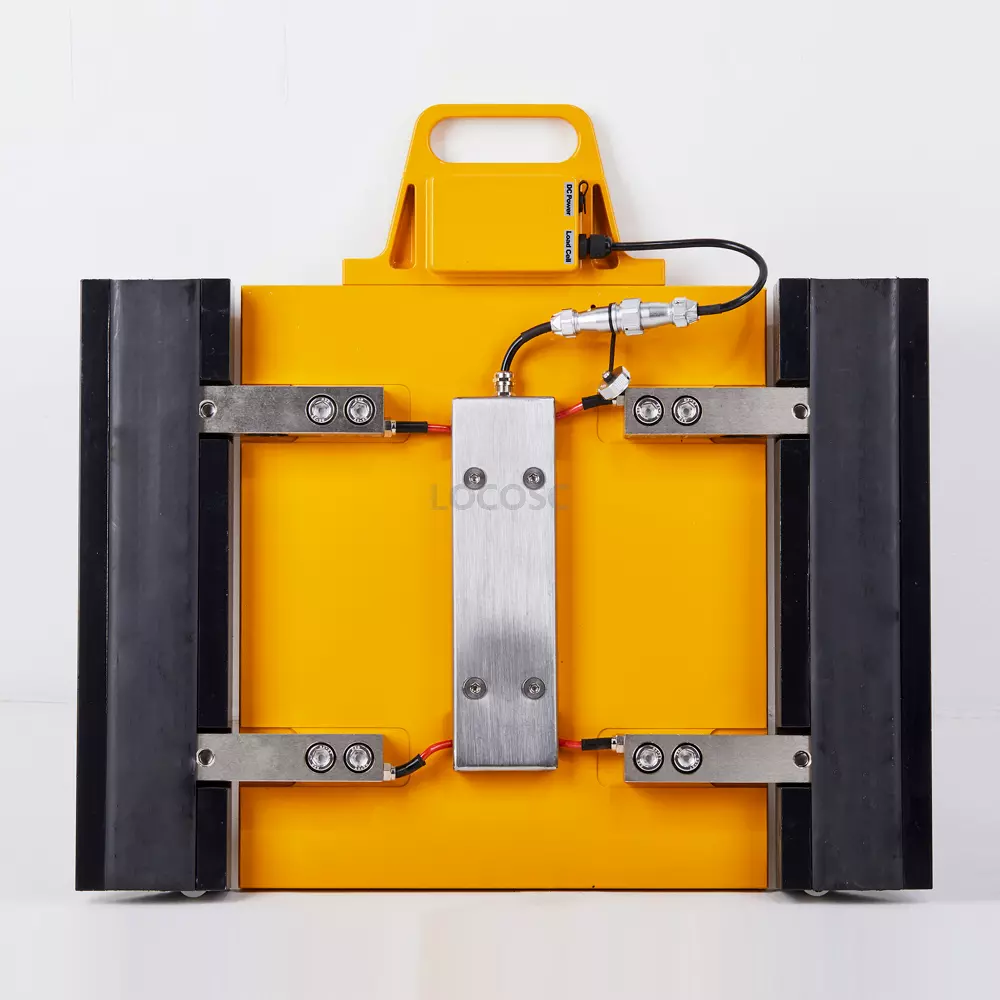
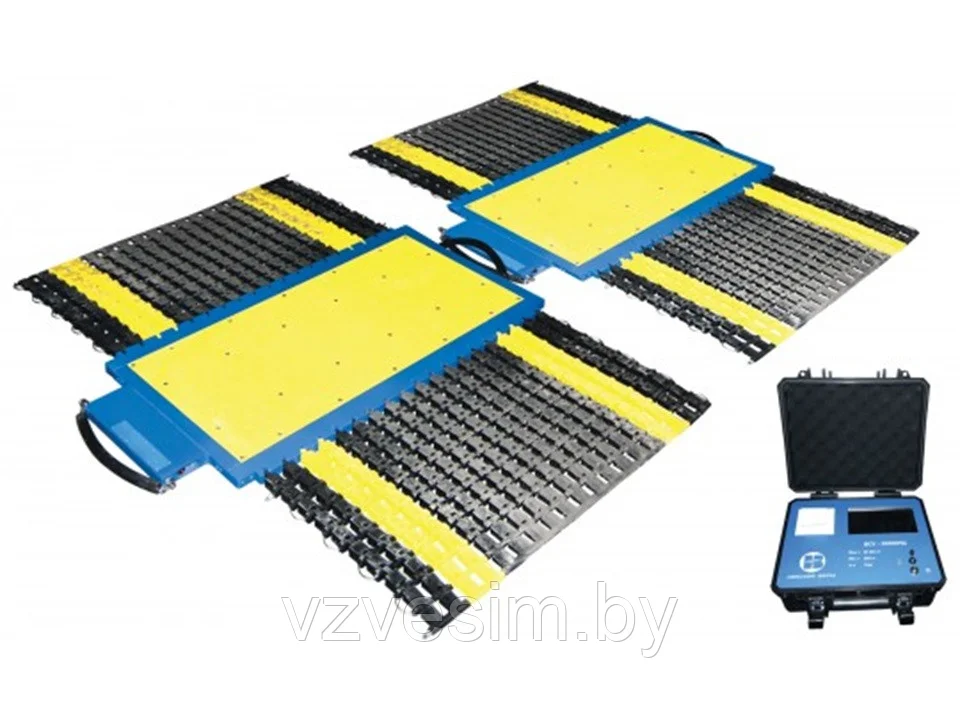
Vehicle weighing systems solve a wide range of problems, from safety and compliance to operational efficiency and accurate billing. Whether using weighbridges, portable axle scales, or static scales, investing in the right system protects your business, drivers, and infrastructure.
Implementing professional vehicle weighing solutions ensures accuracy, efficiency, and peace of mind, making them an essential tool for any business managing heavy vehicles.