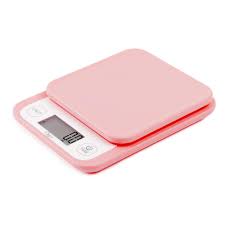
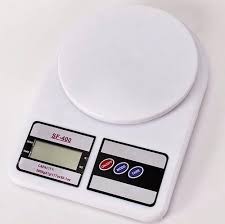
A kitchen scale is a simple yet powerful tool that can improve accuracy, consistency, and efficiency in cooking and baking. However, even experienced home chefs can make mistakes that affect results. Understanding these common pitfalls—and how to avoid them—can help you get the most out of your kitchen scale.
1. Not Using the Tare Function
Mistake: Adding ingredients to a container without resetting the scale to zero.
Why it matters: This causes the weight of the container to be included, leading to inaccurate measurements.
How to avoid it: Always use the tare function. Place your bowl or container on the scale first, press the tare button to reset the display to zero, and then add your ingredient.
2. Placing the Scale on an Uneven Surface
Mistake: Using the scale on a countertop that isn’t flat or stable.
Why it matters: Uneven surfaces can produce inconsistent readings, especially for small quantities.
How to avoid it: Place your scale on a flat, sturdy surface away from vibrations or movement for the most accurate results.
3. Overloading the Scale
Mistake: Weighing ingredients that exceed the scale’s maximum capacity.
Why it matters: This can damage the scale or produce inaccurate measurements.
How to avoid it: Check your scale’s weight limit before measuring and use a larger scale for heavier items if necessary.
4. Ignoring Unit Settings
Mistake: Not selecting the correct unit of measurement (grams, ounces, milliliters).
Why it matters: Using the wrong unit can completely alter a recipe, especially in baking.
How to avoid it: Double-check that your scale is set to the unit your recipe requires before measuring.
5. Handling Ingredients Incorrectly
Mistake: Compacting powders like flour or spilling sticky ingredients.
Why it matters: Packed flour or improperly transferred ingredients can skew measurements.
How to avoid it: Spoon flour lightly into your bowl rather than scooping directly, and use a spatula for sticky ingredients to ensure the entire portion is weighed.
6. Neglecting Scale Maintenance
Mistake: Failing to clean the scale after each use or letting spills sit.
Why it matters: Residue can affect future measurements and potentially damage the scale.
How to avoid it: Wipe your scale clean after each use and, if possible, use removable trays for easy cleaning.
7. Assuming All Scales Are Equally Accurate
Mistake: Buying a cheap scale without checking reviews or accuracy.
Why it matters: Low-quality scales may give inconsistent readings, making precision difficult.
How to avoid it: Invest in a reliable digital scale from a reputable brand, ideally one that measures in small increments for precision.
Conclusion
Using a kitchen scale correctly ensures accuracy, consistency, and better results in cooking and baking. By avoiding common mistakes like skipping the tare function, placing the scale on uneven surfaces, or mishandling ingredients, you can make the most of this essential kitchen tool.