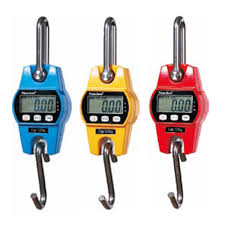
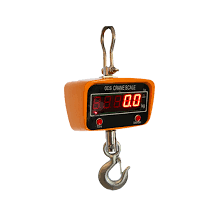
Crane scales are vital tools in industries such as construction, manufacturing, warehousing, and logistics. When used correctly, they deliver accurate weight measurements and improve safety during heavy lifting. However, common crane scale mistakes can lead to inaccurate readings, equipment damage, and serious safety risks.
Understanding these mistakes—and knowing how to avoid them—helps ensure safe, reliable, and efficient crane scale operation.
1. Using a Crane Scale with Insufficient Capacity
❌ The Mistake
Selecting a crane scale that is too close to the maximum load weight or regularly operating it at full capacity.
⚠ Why It’s a Problem
Overloading can damage the load cell, compromise accuracy, and create a serious risk of equipment failure.
✅ How to Avoid It
Always choose a crane scale with a capacity higher than your heaviest expected load, allowing a suitable safety margin.
2. Skipping Regular Calibration
❌ The Mistake
Assuming a crane scale remains accurate indefinitely without recalibration.
⚠ Why It’s a Problem
Temperature changes, heavy use, impacts, and time can all affect accuracy.
✅ How to Avoid It
Follow the manufacturer’s calibration schedule and recalibrate after:
- Repairs or impacts
- Long periods of inactivity
- Changes in operating environment
3. Ignoring Pre-Use Inspections
❌ The Mistake
Using crane scales without checking for visible damage or wear.
⚠ Why It’s a Problem
Cracks, bent hooks, or worn shackles can lead to sudden failure during lifting.
✅ How to Avoid It
Perform a visual inspection before every use, checking hooks, load-bearing components, displays, and connectors. Remove damaged equipment from service immediately.
4. Standing Under Suspended Loads
❌ The Mistake
Reading the scale or adjusting the load while standing beneath a suspended weight.
⚠ Why It’s a Problem
If the load shifts or fails, the risk of serious injury or fatality is extremely high.
✅ How to Avoid It
Use wireless crane scales or remote displays and enforce strict safety zones around suspended loads.
5. Poor Load Positioning
❌ The Mistake
Allowing loads to hang off-center, swing excessively, or apply side loads to the crane scale.
⚠ Why It’s a Problem
Side loading and imbalance reduce accuracy and place stress on hooks and load cells.
✅ How to Avoid It
Ensure loads are:
- Evenly distributed
- Lifted vertically
- Stabilized before taking a weight reading
6. Ignoring Environmental Factors
❌ The Mistake
Using crane scales in harsh environments without proper protection.
⚠ Why It’s a Problem
Dust, moisture, extreme temperatures, and vibration can damage internal components and affect readings.
✅ How to Avoid It
Choose crane scales rated for your environment and follow maintenance guidelines to protect them from contamination and weather exposure.
7. Relying on Untrained Operators
❌ The Mistake
Allowing untrained or unauthorized personnel to operate crane scales.
⚠ Why It’s a Problem
Lack of training increases the likelihood of misuse, inaccurate readings, and unsafe lifting practices.
✅ How to Avoid It
Provide formal training covering:
- Safe lifting procedures
- Scale limitations
- Reading and interpreting weight data
- Emergency response
8. Ignoring Warning Signals or Alarms
❌ The Mistake
Disabling or disregarding overload warnings and alerts.
⚠ Why It’s a Problem
Warnings are designed to prevent damage and accidents. Ignoring them defeats built-in safety systems.
✅ How to Avoid It
Ensure all operators understand alert functions and stop lifting immediately when warnings occur.
9. Poor Maintenance Practices
❌ The Mistake
Failing to clean, service, or inspect crane scales regularly.
⚠ Why It’s a Problem
Neglected maintenance leads to wear, battery failure (in digital scales), and inaccurate readings.
✅ How to Avoid It
Implement a routine maintenance schedule that includes:
- Cleaning
- Battery checks
- Functional testing
- Accuracy verification
Conclusion
Most crane scale issues are not caused by faulty equipment—but by avoidable mistakes. Using the right capacity scale, maintaining proper calibration, training operators, and following safe lifting practices dramatically reduces risks and improves performance.