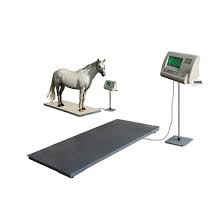
Animal weighing scales are critical tools for livestock management, veterinary caroperationse, and commercial . However, like any precision equipment, they can develop issues over time that affect accuracy, safety, and reliability. Understanding common problems and how to address them ensures your scales perform consistently and reduces downtime.
1. Inaccurate Weight Readings
Cause:
- Load cell misalignment or wear
- Dirt, debris, or moisture on the platform
- Overloading beyond the scale’s capacity
- Calibration drift over time
Solution:
- Clean the scale platform and surrounding area
- Ensure the scale is on a flat, stable surface
- Recalibrate the scale according to manufacturer instructions
- Avoid exceeding the rated capacity
2. Scale Not Zeroing or Resetting
Cause:
- Residual weight or debris on the platform
- Electronic or mechanical malfunction
- Incorrect tare settings
Solution:
- Remove any objects or animals from the platform before zeroing
- Check for damage to cables or load cells
- Reset the scale following the manufacturer’s instructions
- Schedule professional servicing if the issue persists
3. Intermittent or Fluctuating Readings
Cause:
- Animal movement during weighing
- Loose connections or damaged load cells
- Environmental factors such as wind, vibration, or uneven flooring
Solution:
- Ensure animals are calm and properly restrained
- Inspect cables, connectors, and load cells for wear or damage
- Move the scale to a more stable environment
- Use damping or averaging functions if available
4. Display or Indicator Malfunctions
Cause:
- Faulty electronic components
- Low battery or power issues
- Exposure to moisture, dust, or harsh cleaning agents
Solution:
- Replace batteries or check the power supply
- Protect electronics from moisture and dust
- Schedule repair or replacement of faulty display units
5. Platform or Mechanical Damage
Cause:
- Overloading or impact from animals or equipment
- Corrosion due to moisture or cleaning chemicals
- Wear and tear from heavy use
Solution:
- Avoid exceeding the scale’s weight limits
- Inspect the platform and frame regularly
- Replace damaged parts immediately to prevent accidents
6. Calibration Issues
Cause:
- Skipping routine calibration
- Using uncertified test weights
- Environmental changes affecting load cells
Solution:
- Calibrate scales regularly according to usage frequency
- Use certified calibration weights
- Record calibration dates and results for compliance and reference
Best Practices to Minimize Scale Problems
- Keep the scale clean and dry
- Place scales on a stable, level surface
- Avoid sudden impacts and overloading
- Train staff in proper animal handling and scale operation
- Schedule professional maintenance and calibration
Conclusion
Regular inspection, proper maintenance, and timely calibration are key to preventing common animal scale problems. Addressing issues promptly ensures accurate readings, protects animals and operators, and prolongs the lifespan of your equipment. For professional servicing, calibration, and expert advice, working with a trusted provider like Accurate Weighing Scales Ltd keeps your scales reliable and efficient.