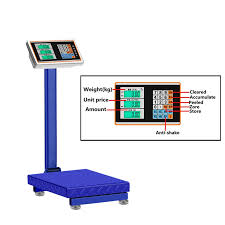
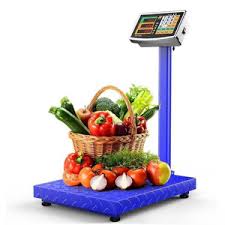
Selecting the right platform scale is crucial for industrial, warehouse, and manufacturing operations. 100–500 kg platform scales are versatile, handling medium-weight loads while providing high accuracy and reliability. Choosing the right model ensures operational efficiency, safety, and cost-effectiveness. Here’s a detailed guide to help you make an informed decision.
1. Determine Your Capacity Needs
The first step in selecting a platform scale is understanding what you’ll weigh:
- Lower End (100–200 kg): Ideal for small pallets, boxes, and components.
- Mid-Range (200–400 kg): Suitable for bulkier items, multiple packages, or production batches.
- Upper End (400–500 kg): Best for heavy pallets, machinery parts, or industrial containers.
Tip: Choose a scale with a capacity slightly higher than your heaviest expected load to avoid overloading.
2. Consider Accuracy Requirements
Different applications require varying levels of precision:
- High Precision: Critical for chemicals, pharmaceuticals, or food ingredients.
- Standard Accuracy: Suitable for warehouse inventory, shipping, and logistics.
Tip: Check the scale’s readability (smallest measurable unit) and tolerance to ensure it meets your operational requirements.
3. Evaluate Platform Size and Design
Platform dimensions affect usability and safety:
- Compact Platforms: Fit smaller spaces and handle individual packages.
- Large Platforms: Ideal for pallets, crates, and bulky industrial loads.
- Low-Profile Designs: Easy to load with trolleys, forklifts, or hand trucks.
Tip: Match the platform size to your workflow and handling equipment.
4. Durability and Industrial Strength
Industrial scales must withstand heavy use in harsh environments:
- Material: Stainless steel platforms resist corrosion and are easy to clean.
- Construction: Reinforced frames handle repetitive heavy loads without warping.
- Environmental Resistance: Dust, moisture, and vibration-resistant designs improve longevity.
Tip: Consider your facility’s conditions when selecting a scale to ensure long-term durability.
5. Connectivity and Integration
Modern scales often include digital features to improve efficiency:
- Data Output: USB, RS232, or Bluetooth for integration with computers or ERP systems.
- Printing: Label or receipt printers for shipping and inventory documentation.
- Software Compatibility: Connect directly to inventory management systems for automated record-keeping.
Tip: Choose a scale that integrates smoothly into your workflow to save time and reduce errors.
6. Additional Features to Consider
Depending on your needs, additional features may be valuable:
- Tare Function: Subtract container weight to measure net weight accurately.
- Counting Mode: Useful for batch or component counting.
- Portable Options: Lightweight models with wheels or casters for flexible use.
Tip: Match features to your specific operational requirements for maximum efficiency.
Conclusion
Choosing the right 100–500 kg platform scale requires balancing capacity, accuracy, durability, and integration features. By evaluating your material types, operational needs, and workflow requirements, you can select a scale that enhances productivity, ensures safety, and delivers reliable results. Investing in the right platform scale is not just about weighing — it’s about optimizing your industrial operations from start to finish.