Weighing scales are essential tools across industries such as retail, manufacturing, healthcare, laboratories, logistics, and agriculture. A common question many users ask is: Can one weighing scale be used for different purposes?
The short answer is yes—but with limitations. Whether a single weighing scale can serve multiple purposes depends on several key factors, including accuracy requirements, capacity, environment, and application type.
Understanding the Purpose of a Weighing Scale
Each weighing scale is designed with a specific function in mind. For example:
- A retail scale prioritizes quick readings and legal-for-trade compliance.
- A laboratory balance focuses on extreme precision.
- An industrial scale emphasizes durability and high capacity.
- A medical scale is designed for safety, hygiene, and patient comfort.
Because of these differences, one scale cannot always replace another without compromising performance or compliance.
When One Scale Can Be Used for Multiple Purposes
In some cases, a weighing scale can be used for different applications, particularly when:
- The capacity range suits all intended uses
- The accuracy and readability meet the most demanding application
- The environmental conditions (dust, moisture, vibration) are compatible
- The scale complies with relevant regulations
For example:
- A bench scale may be used for packing, counting parts, and general quality checks.
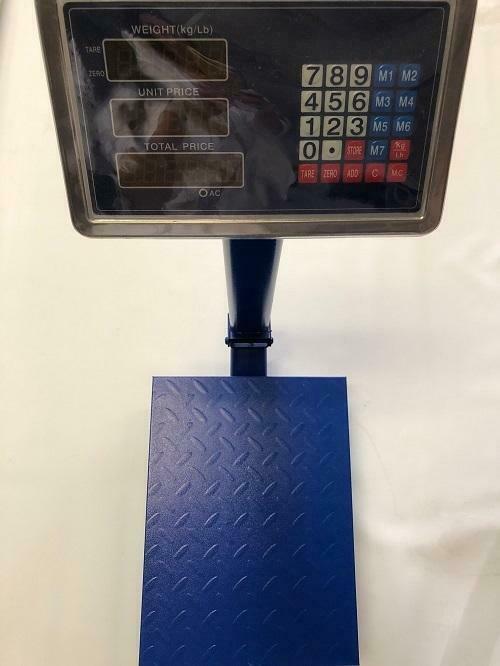
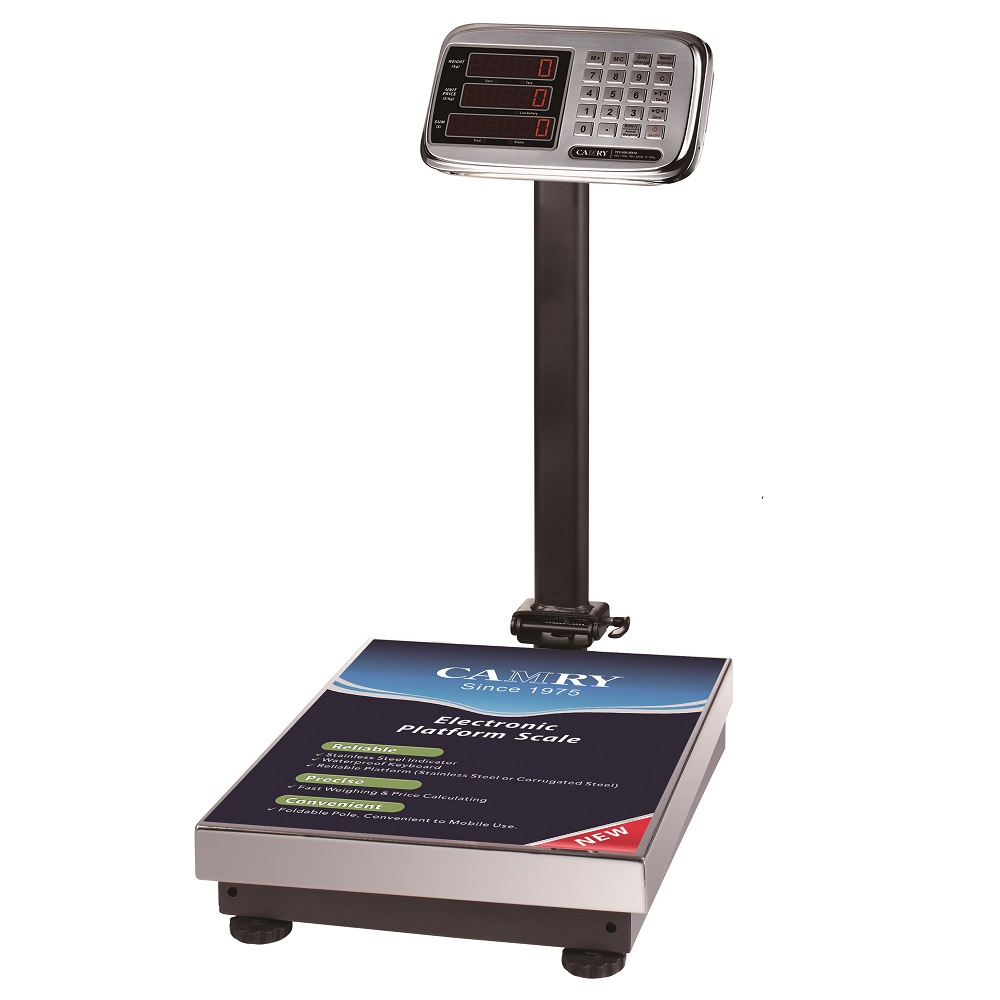
- A platform scale can be used in warehouses for different types of goods, provided weight limits are respected.
- A counting scale can handle both weight measurement and inventory counting.
Limitations of Using One Scale for Multiple Applications
While multi-purpose use is possible, there are important limitations:
- Accuracy issues: A scale suitable for heavy loads may not provide the precision required for light or laboratory measurements.
- Compliance requirements: Legal-for-trade or medical applications often require certified scales.
- Environmental mismatch: A scale used in wet or dusty environments may not perform well in clean or sensitive areas.
- Wear and tear: Using one scale for incompatible tasks may reduce its lifespan.
The Importance of Choosing the Right Scale
Instead of forcing one scale to do everything, it is often more efficient and cost-effective to:
- Choose a multi-functional scale designed for versatility, or
- Use separate scales optimized for specific tasks
Modern digital weighing scales often offer features like multiple units of measurement, connectivity, and programmable functions, making them suitable for broader use—but they still have design limits.
Conclusion
A single weighing scale can be used for different purposes if its design, accuracy, capacity, and compliance match the intended applications. However, for critical, regulated, or high-precision tasks, using a scale specifically designed for that purpose is always recommended. Selecting the right weighing solution ensures accuracy, safety, compliance, and long-term reliability.