Calibration is a critical process that ensures a weighing scale provides accurate and reliable measurements. Once a scale has been calibrated, many users wonder: Can it be moved without affecting its accuracy? The answer is: it depends on the type of scale and how it is handled.
Understanding Calibration
Calibration aligns the scale’s readings with known standards or reference weights. This process compensates for any mechanical, electrical, or environmental factors that might cause errors. After calibration, a scale should display true weight values within its specified accuracy limits.
Moving a Weighing Scale: What You Should Know
- Precision and Laboratory Scales
- Highly sensitive scales, such as analytical or lab balances, are designed to measure very small weights.
- Even minor movements or vibrations can disrupt internal sensors and affect accuracy.
- Moving these scales usually requires recalibration to restore accuracy.
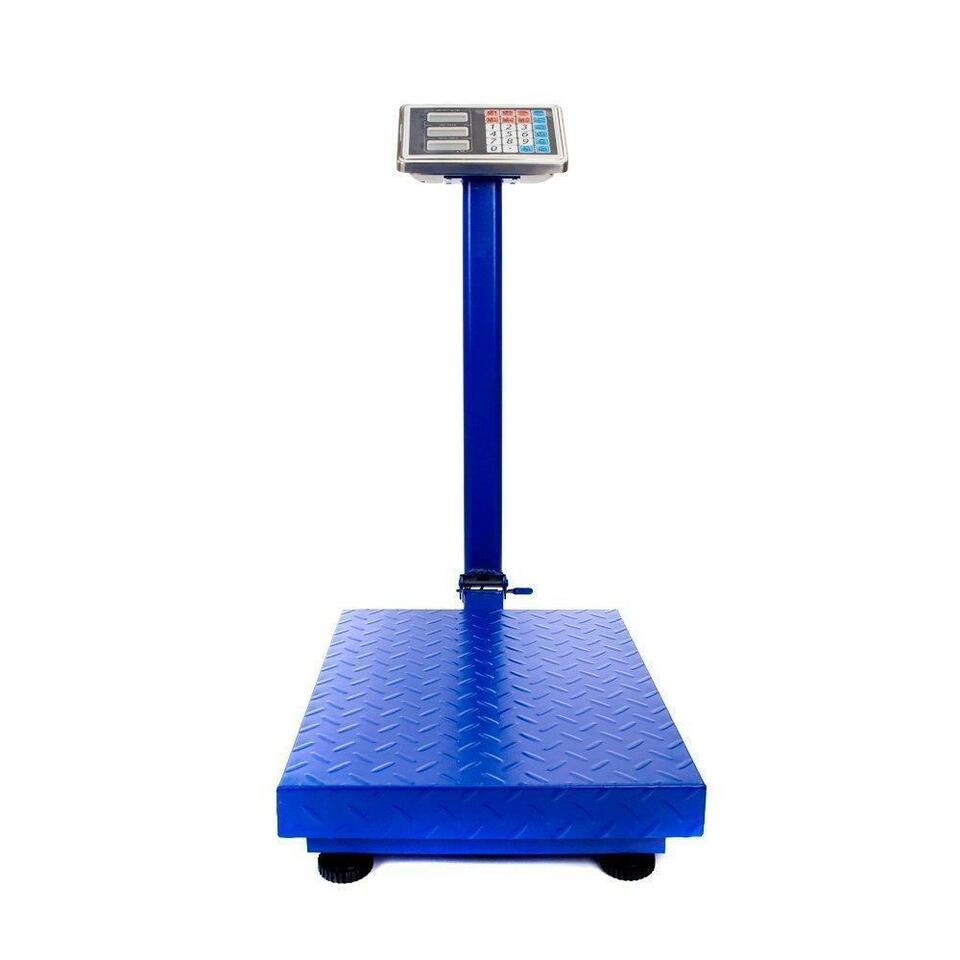
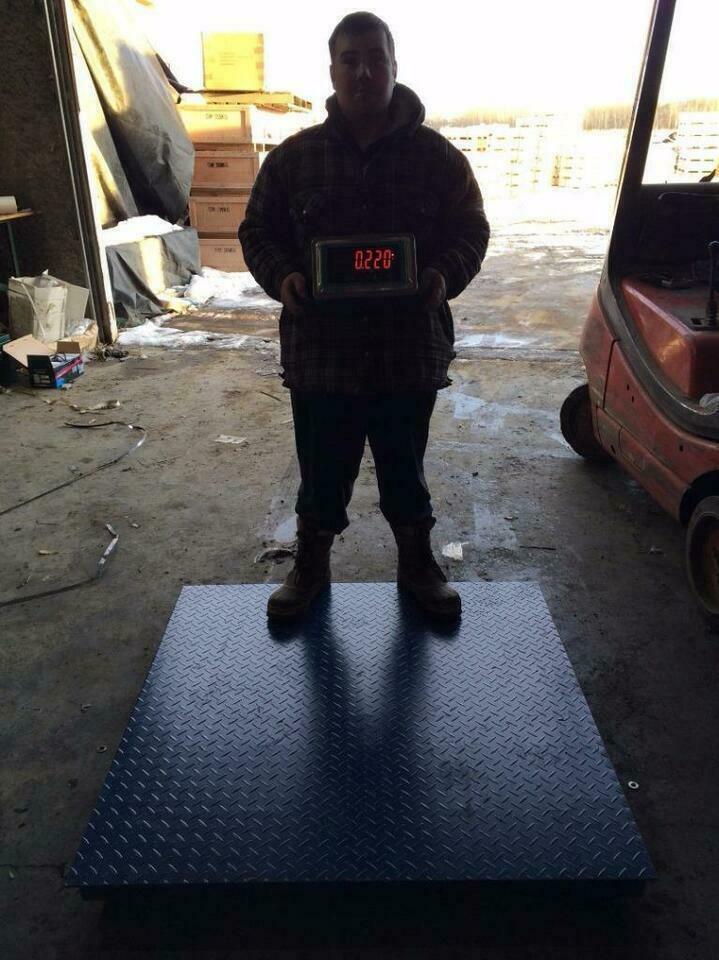
- Industrial and Platform Scales
- Larger scales designed for heavy loads are more robust and can often be moved short distances without immediately losing accuracy.
- However, factors such as uneven surfaces, shocks, or mechanical jolts during transport may shift internal components, so recalibration is recommended after relocation.
- Digital and Mechanical Scales
- Digital scales may tolerate gentle movement but should always be placed on a stable, level surface before use.
- Mechanical scales may be more forgiving but are still sensitive to misalignment caused by relocation.
Best Practices for Moving a Calibrated Scale
- Handle with care: Avoid dropping, jarring, or tilting the scale excessively.
- Transport properly: Use original packaging or protective padding for sensitive scales.
- Level the scale: Place it on a flat, vibration-free surface.
- Recalibrate if needed: After moving, especially for high-precision scales, perform a recalibration or at least a verification check with known weights.
- Follow manufacturer instructions: Some scales have specific procedures for relocation and recalibration.
Key Takeaway
A weighing scale can be moved after calibration, but its accuracy may be affected depending on the type of scale and how it is handled. For sensitive, high-precision, or legally regulated scales, recalibration after moving is strongly recommended. For robust industrial scales, minor relocations may not require immediate recalibration, but verification is still best practice.
Maintaining accurate measurements ensures reliability, prevents costly errors, and prolongs the life of your weighing equipment.