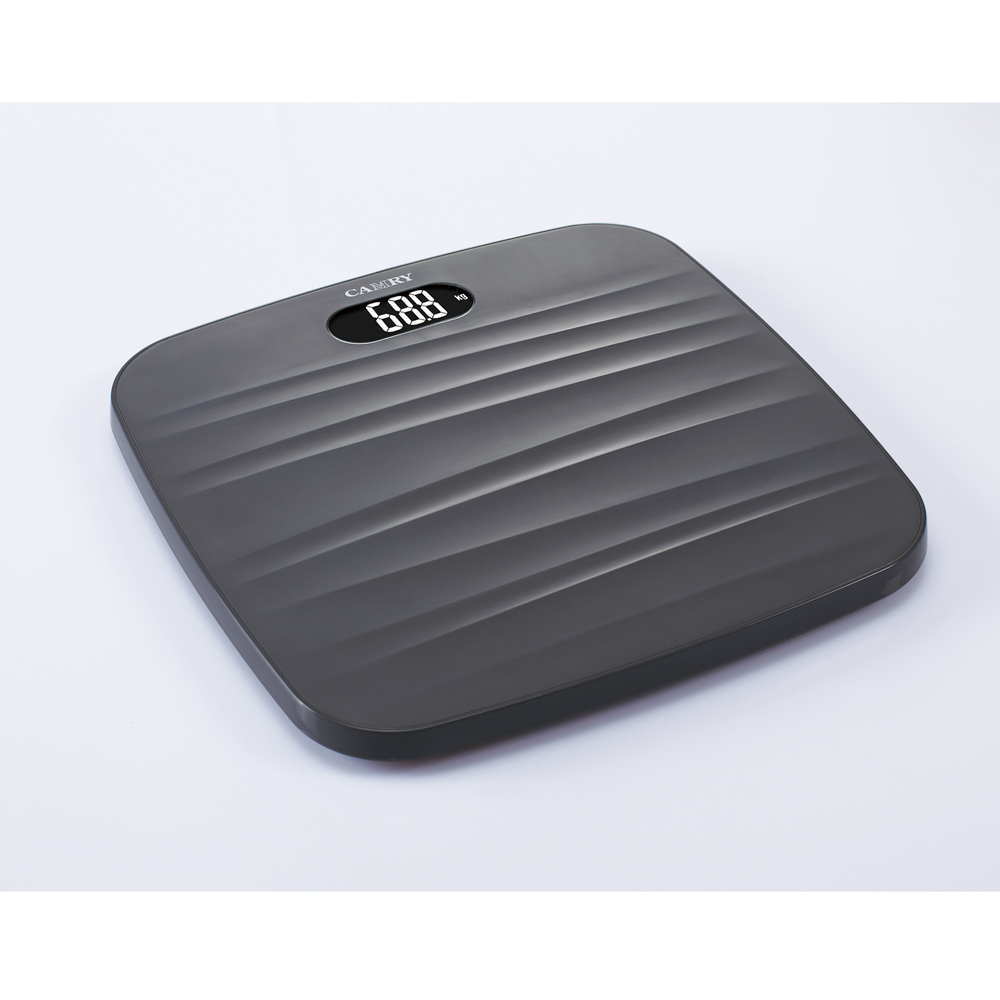
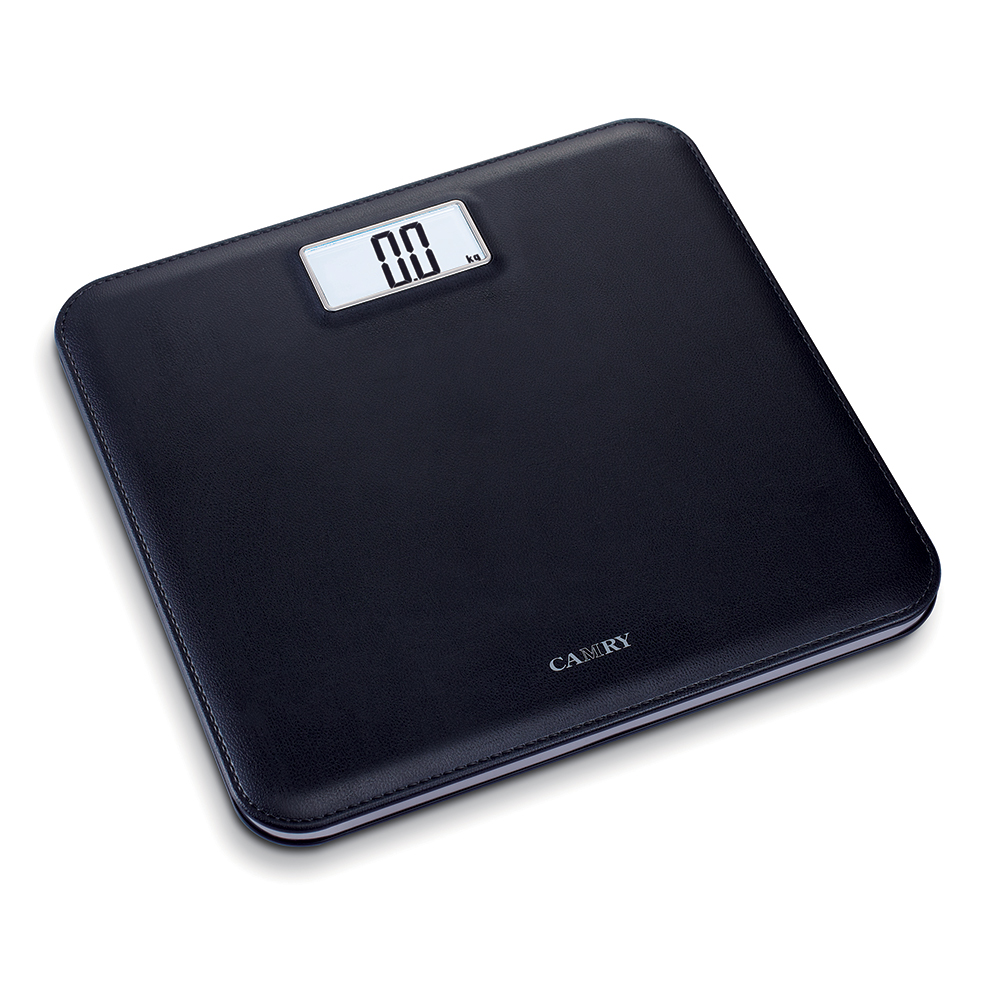
Digital Bathroom Weighing Scales have matured into two distinct categories: Basic Precision Scales (focusing on weight-only accuracy) and Smart Body Composition Monitors (tracking metrics like body fat and muscle mass).
Modern 2026 scales are characterized by high-precision G-sensors, instant-on (step-on) technology, and USB-C charging, moving away from disposable AAA batteries.
1. Top-Rated Digital Scales (2026)
|
Model |
Type |
Key Metric |
Connectivity |
Best For |
|
Withings Body Smart |
Smart |
Heart Rate & Fat % |
Wi-Fi / BT |
Comprehensive Health |
|
Eufy P2 Pro |
Smart |
3D Body Modeling |
Wi-Fi / BT |
Fitness Enthusiasts |
|
Renpho Elis 1 |
Smart |
13 Body Metrics |
Bluetooth |
Best Budget Smart |
|
Ozeri Precision |
Basic |
Weight Only |
None |
Reliability & Simplicity |
|
Wyze Scale X |
Smart |
13 Metrics + Baby Mode |
Bluetooth |
Young Families |
2. Essential 2026 Features
- ITO Glass Coating: High-end models have ditched the four visible metal electrodes. They now use Indium Tin Oxide (ITO), a transparent conductive layer that allows you to stand anywhere on the glass for an accurate body composition scan.
- Segmental Analysis: Premium scales now often feature a retractable handlebar to provide 8-electrode scanning. This measures each arm, leg, and your torso separately, whereas standard scales only measure the lower body.
- Dual-Band Connectivity: Many 2026 scales use both Bluetooth (for initial setup) and Wi-Fi (for automatic data syncing). This means you don't need your phone nearby when you weigh yourself; the data is waiting in the cloud.
- Specialty Modes:
- Athlete Mode: Adjusts algorithms for users with high muscle density.
- Pregnancy/Pacemaker Mode: Disables the electrical current (BIA) for safety while still providing weight readings.
- Pet/Baby Mode: Allows you to weigh yourself while holding a child or animal, then automatically subtracts your weight.
3. Accuracy & Precision Standards
The "Trend" Rule: In 2026, experts emphasize consistency over absolute "perfect" numbers. High-quality digital scales are typically accurate within $0.05\text{ kg} (0.1\text{ lb})$.
- Four-Point Sensors: Ensure the scale uses four independent strain-gauge sensors (one in each foot) to filter out "air noise" and micro-movements.
- Auto-Calibration: Modern scales should re-zero themselves every time they are moved. If your scale gives a "wonky" reading after being moved, simply step on and off quickly to let it "Tare" (reset to zero).
4. Maintenance for Longevity
- Hard Surface Only: Never use a digital scale on carpet or bath mats. This "cushions" the sensors and can under-report your weight by as much as $2\text{--}5\text{ kg}$.
- Dry the Surface: Water on the glass can seep into the screen edges. Wipe your scale with a damp cloth, but avoid submerging it or using abrasive cleaners that might scratch the ITO coating.
- Firmware Updates: If you use a Wi-Fi scale, keep the associated app updated. Manufacturers often release "Over-The-Air" (OTA) updates to refine the body fat algorithms.