Axle weighing is a critical tool for businesses that manage heavy vehicles, including haulage, construction, waste management, and agriculture. Measuring the weight of each axle helps prevent overloading, maintain compliance, and protect both vehicles and infrastructure.
This article explains what axle weighing is, its benefits, and limitations, helping you decide if it’s the right solution for your business.
What Is Axle Weighing?
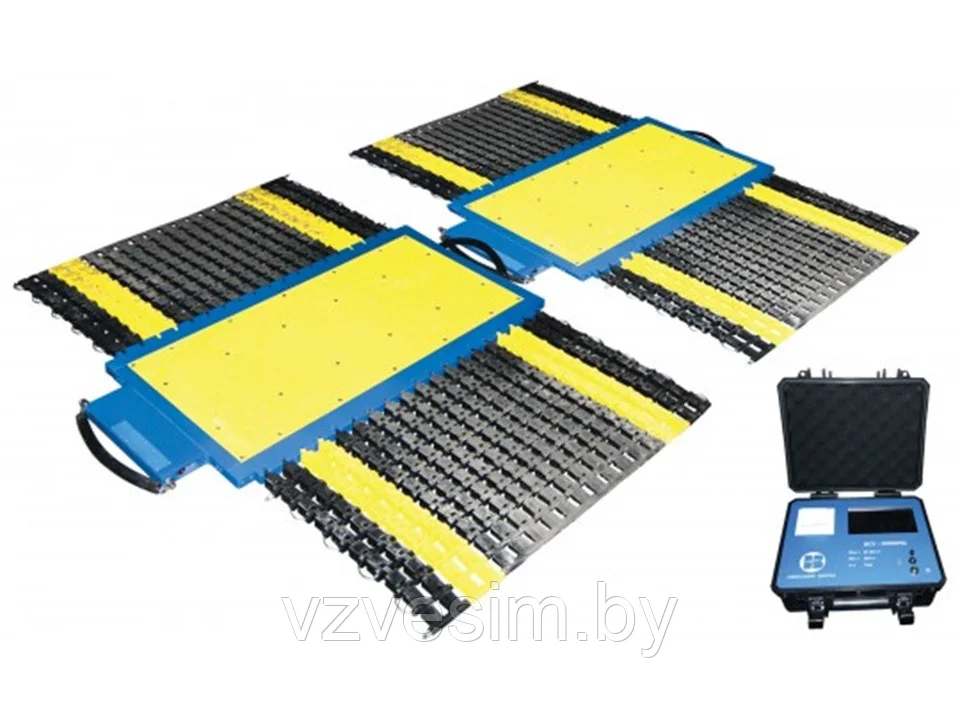
Axle weighing involves measuring the weight carried by each individual axle of a vehicle. Portable or static axle scales are used to capture accurate readings, which are then summed to determine the vehicle’s total gross weight.
This approach differs from traditional weighbridges that measure the entire vehicle at once.
Benefits of Axle Weighing
1. Prevents Overloading
Overloaded vehicles pose serious safety risks, including:
- Brake failure
- Suspension damage
- Increased accident risk
Axle weighing allows operators to check individual axle loads and ensure they stay within legal limits, reducing safety risks and liability.
2. Legal Compliance
Axle weight limits are often enforced by law to protect roads and infrastructure. Axle weighing helps businesses comply with:
- UK vehicle weight regulations
- Industry-specific guidelines
- Trading and transport requirements
3. Flexible and Portable
Many axle weighing systems are portable, making them suitable for:
- Temporary sites
- Multi-site operations
- Mobile enforcement or spot checks
Portable systems allow quick deployment without extensive groundwork.
4. Cost-Effective Solution
Compared to full weighbridges, axle scales are generally more affordable, offering:
- Lower upfront costs
- Reduced installation requirements
- Practical use for businesses with lower-volume weighing needs
5. Optimises Load Distribution
Proper axle weight distribution can improve:
- Vehicle handling and safety
- Fuel efficiency
- Tyre and suspension life
Axle weighing helps operators distribute loads evenly across axles.
Limitations of Axle Weighing
1. Slower Process for Full Vehicle Weighing
Measuring each axle individually can be more time-consuming than a full weighbridge, especially for vehicles with multiple axles.
2. Surface Dependency
Portable axle scales require flat, stable surfaces to maintain accuracy. Uneven ground can affect readings.
3. Accuracy Considerations
While highly accurate for individual axles, cumulative errors can occur when calculating total vehicle weight, especially on portable systems.
4. Legal-for-Trade Limitations
Not all axle weighing systems are certified for trade. If weights are used for billing or invoicing, ensure the system is legal-for-trade approved.
5. Limited Integration Options
Some portable systems may not integrate easily with software, reporting systems, or ticketing solutions, limiting automated record-keeping.
Ideal Applications for Axle Weighing
- Overload prevention: Ensuring vehicles comply with axle weight regulations
- Temporary or remote sites: Construction, quarries, or mobile enforcement
- Fleet management: Monitoring load distribution and safety
- Agreements with transport authorities: Compliance checks and record-keeping
Axle weighing is especially useful when permanent weighbridge installation is impractical or cost-prohibitive.
Final Thoughts
Axle weighing is a versatile and practical solution for businesses that need to monitor axle loads, prevent overloading, and comply with legal requirements. While portable and cost-effective, it does have limitations in speed, surface dependency, and trade certification.
Choosing the right axle weighing system depends on your operational needs, accuracy requirements, and regulatory obligations. Working with an experienced supplier ensures you select a system that provides reliable performance and long-term value.