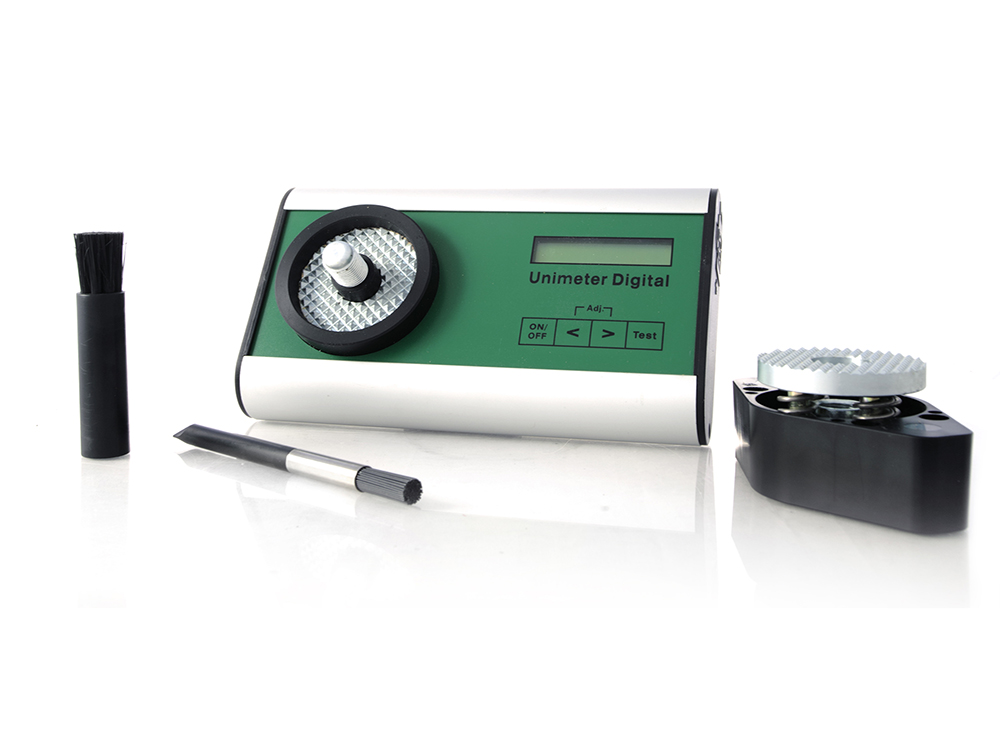
They combine a high-resolution analytical balance (up to 0.0001g readability) with a precise heating element to determine the moisture content of a sample through the Loss on Drying (LOD) method.
1. The 2026 Technological Standard
Modern analytical moisture balances have evolved into "smart" lab stations. Key features include:
- High-Speed Analysis: Reaches results in 2–15 minutes, compared to 3+ hours for traditional oven-drying.
- Precision Load Cells: Equipped with advanced electromagnetic force restoration (EMFR) sensors to detect weight changes as small as 0.1 mg.
- Predictive AI: Algorithms like Mettler Toledo's QuickPredict™ or Ohaus's SmartGuide™ can predict the final moisture result within the first few minutes of heating by analyzing the drying curve.
2. Top Analytical Models by Industry (2026)
|
Model |
Readability (% MC) |
Heating Type |
Best Use Case |
|
Mettler Toledo HX204 |
0.001% |
Halogen |
Pharma/Regulated: Full 21 CFR Part 11 compliance & audit trails. |
|
Sartorius Cubis II |
0.001% |
Infrared (AURI) |
R&D: Modular design; highest level of customizable data integrity. |
|
Ohaus MB120 |
0.01% |
Halogen |
Food/Industrial: High throughput with 100-method storage library. |
|
Radwag MAX 50/1 |
0.0001% |
IR/Halogen |
Ultra-Precision: When measuring trace moisture in expensive chemicals. |
|
Precisa Series 330 |
0.01% |
Dark Radiator |
Sensitive Materials: No-light heating for thermosensitive samples. |
3. Comparison of Heating Elements
The "Balance" part is the scale; the "Analyzer" part is the heat. Choosing the right source is critical:
- Halogen Lamp: The most common in 2026. It reaches target temperatures in seconds and provides highly uniform heat distribution. Ideal for most powders and solids.
- Infrared (Ceramic/Metal): Slower to heat but gentler. Recommended for heat-sensitive samples (like sugar or delicate plastics) that might scorch under intense halogen light.
- Microwave: A specialty industrial option for high-moisture samples (like wastewater sludge or dairy) where traditional heating would take too long.
4. Regulatory & Compliance Features (21 CFR Part 11)
In 2026, analytical balances for the Pharmaceutical and Biotech sectors must ensure "Data Integrity." Modern units include:
- Electronic Signatures: Linking every test result to a specific user.
- Audit Trails: An unchangeable digital log of all parameter changes (temperature, shut-off criteria).
- Integrated Ionizers: High-end models (like A&D Apollo) now feature built-in ionizers to neutralize static electricity, which is the #1 cause of drifting readings in dry powders.
5. Maintenance: The "Dual Calibration" Requirement
Because this is a hybrid instrument, it requires two types of calibration to remain "Analytical Grade":
- Weight Calibration: Using a certified E2 or F1 class calibration weight to verify the internal scale.
- Temperature Calibration: Using a specialized digital temperature kit that sits on the sample pan to verify the heating chamber's accuracy.