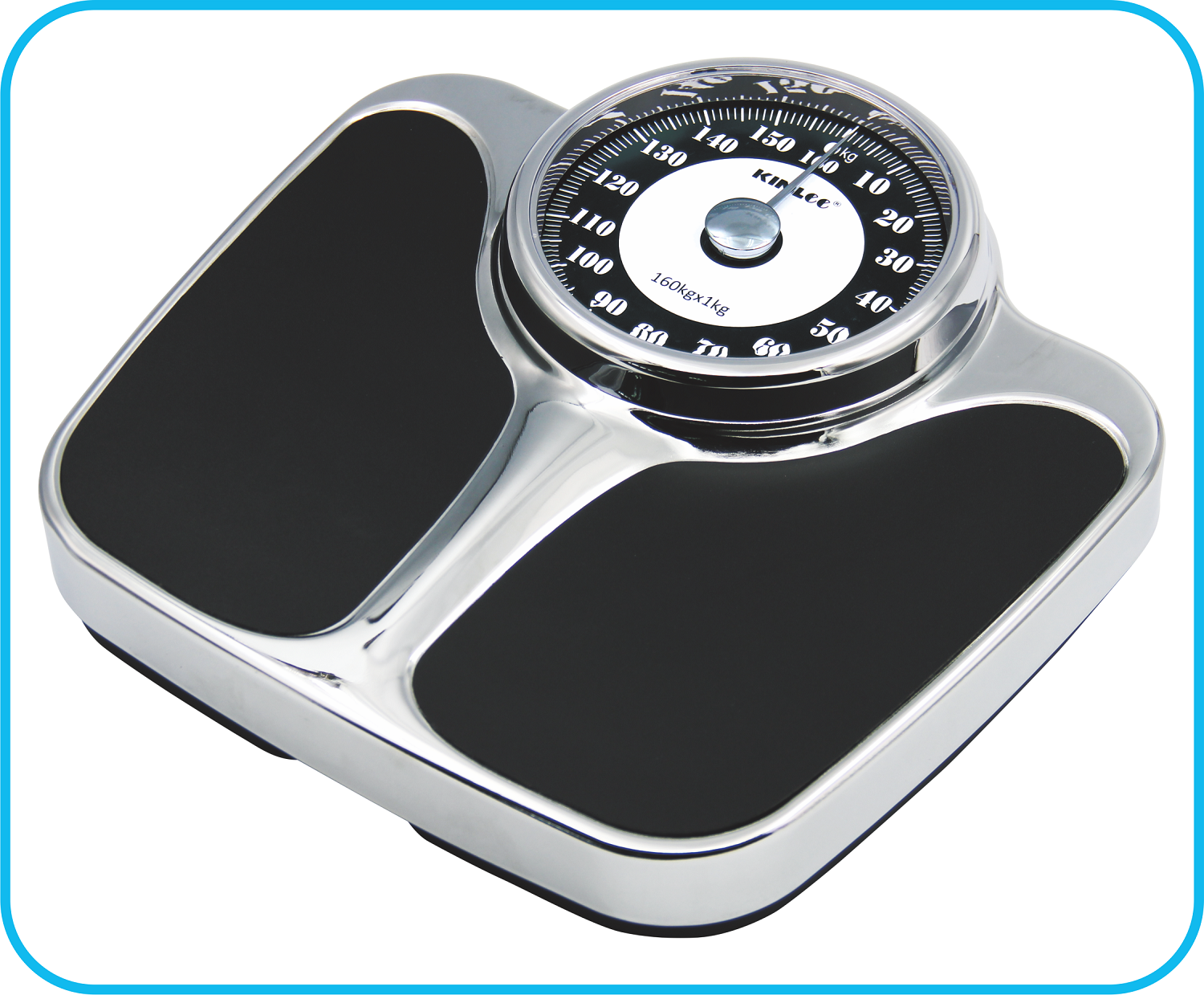
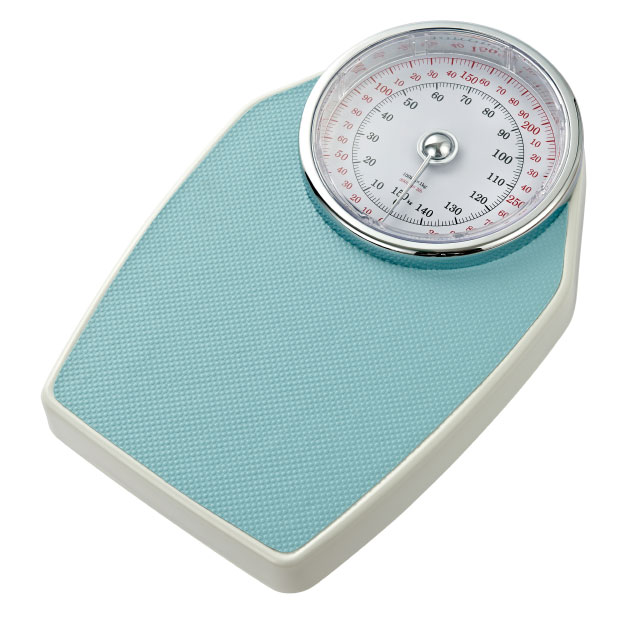
Analog (Mechanical) Personal Body Scales are making a resurgence as "analog-chic" bathroom decor and for users who are frustrated with the connectivity issues and battery drain of smart digital models.
Unlike digital scales that use electronic strain gauges, analog scales rely on a heavy-duty internal spring mechanism that physically compresses when you step on the platform, rotating a needle across a printed dial.
1. Top-Rated Analog Models (2026)
|
Model |
Capacity |
Graduation |
Key Highlight |
|
Salter 148 BKSVDR |
136 kg |
1.0 kg |
Retro "Speedo" Style: Large, easy-read rotating pointer. |
|
Adamson A25 |
150 kg |
0.5 kg |
High Precision: Best-in-class spring calibration for 2026. |
|
Salter Doctors Style |
150 kg |
0.5 kg |
Oversized Platform: Huge dial and non-slip rubber mat. |
|
KERN MGC Series |
150 kg |
1.0 kg |
Professional Grade: Designed for high-traffic gym/hotel use. |
|
Medisana PSD |
150 kg |
0.5 kg |
Trendy Retro: Classic 1950s design with modern steel casing. |
2. Why Choose Analog in 2026?
While digital scales dominate the market, analog scales offer three distinct advantages:
- Zero Maintenance: No batteries to replace, no USB-C charging, and no "Low Battery" errors.
- Instant Readings: There is no "zeroing" or "boot-up" time. You simply step on and read the weight immediately.
- Longevity: Because they have no sensitive circuit boards, a high-quality analog scale like an Adamson or Salter can realistically last 15–20 years.
3. Technical Specifications to Look For
- Calibration Wheel (Tare): Every analog scale features a small thumbwheel (usually at the base or under the dial). This is used to manually align the needle back to zero if it drifts due to temperature changes or spring tension.
- Dial Size: Look for a dial at least 12 cm (5") in diameter. This makes the needle much easier to read from a standing height without straining.
- Dual Readout: Most 2026 models feature Kilograms (Black) and Pounds/Stone (Red) on the same face.
- Base Material: Avoid plastic bases. Heavy-duty models use powder-coated steel to prevent the scale from "creaking" or tipping when you step on the edges.
4. Accuracy vs. Digital
The Realist's Guide: Analog scales are generally accurate but not precise.
- Digital: Will show you $82.45\text{ kg}$.
- Analog: Will show you the needle is "just a bit past $82\text{ kg}$."
For medical tracking where $100\text{g}$ shifts matter, stick with digital. For general lifestyle monitoring where you want a reliable "ballpark" weight without the tech headache, analog is superior.
5. Usage Tip: The "Parallax" Rule
Because the needle is suspended above the dial, looking at it from an angle can make it appear to be $1\text{kg}-2\text{kg}$ off. To get the most accurate reading, you must look directly straight down at the dial.