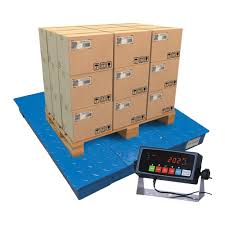
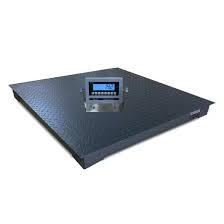
Choosing the right floor scale for your business can have a big impact on accuracy, efficiency, and long-term costs. Whether you’re running a small warehouse, a logistics center, or a large industrial facility, weighing solutions fall into two broad categories: affordable floor scales and professional floor scales. This article breaks down the pros, cons, and costs of each to help you make an informed decision.
What Are Affordable and Professional Floor Scales?
- Affordable Floor Scales are entry-level weighing platforms designed for businesses with limited budgets or light-to-moderate weighing needs. They typically offer basic functionality at a lower price.
- Professional Floor Scales are industrial-grade weighing systems built for frequent, heavy, or mission-critical use. They provide high precision, durability, advanced features, and long-term reliability.
Affordable Floor Scales
Pros
- Lower Upfront Cost
Affordable scales cost significantly less, making them suitable for startups, small warehouses, retail environments, and occasional weighing tasks. - Ease of Use
These scales often have simple interfaces and basic functionality — perfect for users who just need reliable weighing without extra features. - Sufficient for Light-to-Moderate Use
If you weigh small to medium loads infrequently, affordable models can be a practical fit.
Cons
- Limited Durability
Lower-cost materials and simpler design mean these scales may wear faster under heavy use. - Basic Accuracy
Affordable scales may not deliver the precision required for compliance, billing, or critical industrial operations. - Fewer Features
Advanced functions such as data connectivity, remote displays, high-precision load cells, and multi-unit conversions may be lacking.
Typical Costs
- Price Range: ~$200 – $1,000
- Best For: Small businesses, occasional weighing tasks, budget-conscious buyers
Professional Floor Scales
Pros
- Superior Accuracy and Precision
Professional scales use high-precision load cells and calibration methods to provide consistent, reliable results — essential where accuracy matters. - Heavy-Duty Construction
Built with industrial-grade materials (e.g., reinforced steel or stainless steel), these scales withstand frequent heavy loads, harsh environments, and high traffic. - Advanced Features
Professional models often include tare functions, data output (USB/RS232/Wi-Fi), backlit displays, remote indicators, automatic hold, and overload protection. - Long-Term Value
While more expensive upfront, professional scales offer better longevity and lower lifetime service costs due to fewer repairs and replacements.
Cons
- Higher Initial Cost
Professional floor scales require a greater investment, which can be a barrier for smaller operations. - More Complex Features
Advanced functions sometimes require training or technical knowledge to fully utilise.
Typical Costs
- Price Range: ~$1,000 – $10,000+
- Best For: Warehouses, manufacturers, logistics operations, heavy-duty industrial environments
Comparing Features Side-by-Side
|
Feature |
Affordable Floor Scales |
Professional Floor Scales |
|
Accuracy |
Moderate |
High |
|
Durability |
Standard |
Industrial-grade |
|
Capacity Range |
Low–Medium |
Medium–High |
|
Advanced Features |
Limited |
Extensive |
|
Connectivity |
Basic/None |
USB/Network/Wireless |
|
Calibration Flexibility |
Limited |
Comprehensive |
|
Long-Term Reliability |
Fair |
Excellent |
|
Maintenance Requirements |
Low |
Moderate–High (feature upkeep) |
Which One Is Right for Your Business?
Choosing between an affordable and a professional floor scale comes down to how you use it:
✔ Choose an Affordable Model if:
- You only need occasional weighing
- Your loads are relatively light
- Budget is the primary consideration
- You don’t require advanced data or connectivity
✔ Choose a Professional Model if:
- You weigh items frequently or at high volume
- Accuracy and reliability are business-critical
- Heavy or oversized loads are common
- You need advanced features like data logging, connectivity, or remote monitoring
Cost Considerations Beyond Purchase Price
When evaluating floor scale costs, consider:
Installation
Professional scales may require level floor surfaces, docking ramps, or professional installation services.
Calibration
Industrial scales should be regularly calibrated — sometimes by certified technicians.
Maintenance
Long-term upkeep can include replacement load cells, repair of indicators, or software support.
Downtime Costs
A scale that fails mid-operation can disrupt workflows and incur hidden labour costs.
Conclusion
Both affordable and professional floor scales have their place in modern business operations.
- Affordable scales offer budget-friendly access to essential weighing.
- Professional scales deliver industrial strength, precision, and advanced capabilities that support long-term growth and efficiency.
By understanding your operational needs, load types, accuracy expectations, and future scalability, you can select the floor scale that fits your business best — saving money today and avoiding costly errors tomorrow.