Understanding acceptable moisture levels in concrete is essential before installing flooring, coatings, or adhesives. Excess moisture can lead to flooring failure, delamination, mould growth, and expensive remedial work. This article explains what acceptable moisture levels are, how they are measured, and why they vary depending on application.
Why Acceptable Moisture Levels Matter
Concrete continues to release moisture long after it appears dry. If finishes are applied before moisture levels fall within acceptable limits, problems may occur such as:
- Adhesive breakdown
- Vinyl and laminate lifting
- Timber floor warping
- Blistering or peeling coatings
- Long-term moisture-related damage
Ensuring concrete meets acceptable moisture limits helps protect materials, warranties, and long-term performance.
What Are Acceptable Moisture Levels in Concrete?
There is no single acceptable moisture level for all situations. Limits depend on:
- Type of flooring or coating
- Adhesives used
- Testing method
- Manufacturer specifications
Below are commonly accepted industry guidelines.
Acceptable Moisture Levels by Test Method
1. Relative Humidity (RH) Testing – In-Situ Probes
RH testing measures moisture inside the concrete slab and is widely considered the most accurate method.
Typical acceptable RH levels:
- ≤75% RH – Common requirement for many floor coverings
- ≤80–85% RH – Some moisture-tolerant adhesives and products
- Up to 90–95% RH – Only when explicitly allowed by manufacturer
Always follow flooring and adhesive manufacturer limits, as exceeding them can void warranties.
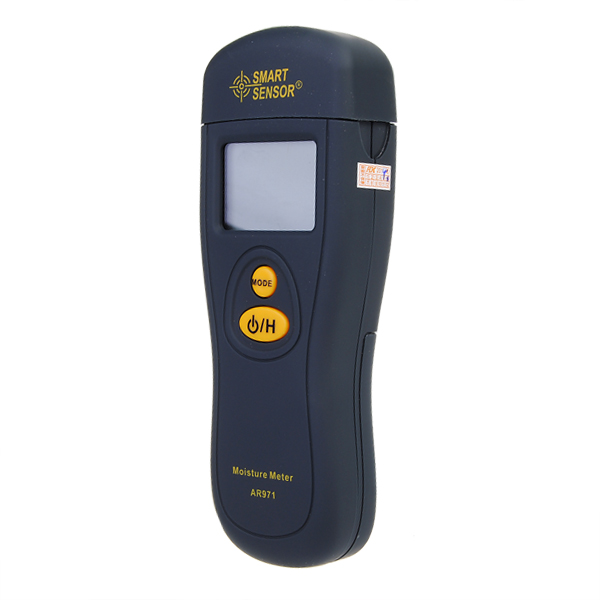
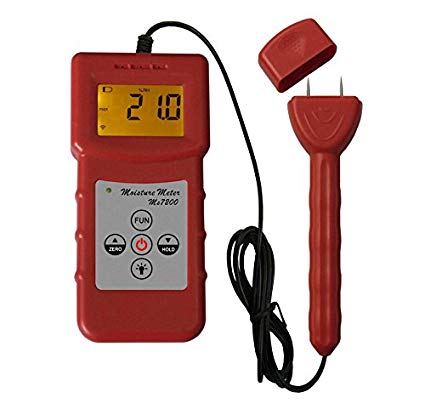
2. Concrete Moisture Meters (Non-Destructive)
Concrete moisture meters provide relative moisture readings near the surface of the slab.
Typical acceptable readings:
- Must fall within the manufacturer’s specified scale or limit
- Used primarily for initial assessment and comparison, not final approval
Because these meters do not measure deep slab moisture, they are best used alongside RH testing.
3. Calcium Chloride Test (Moisture Vapour Emission Rate – MVER)
This method measures how much moisture vapour is emitted from the slab surface over time.
Typical acceptable levels:
- ≤3 lbs per 1,000 sq ft per 24 hours for many flooring systems
- Some products allow up to 5 lbs, depending on specifications
This test is less commonly used today but may still be referenced in older standards.
Acceptable Moisture Levels by Flooring Type
Vinyl Flooring
- Typically ≤75–80% RH
- MVER often limited to ≤3 lbs
Wood and Engineered Timber Flooring
- Often ≤65–75% RH
- Stricter limits due to moisture sensitivity
Carpet and Carpet Tiles
- Usually ≤75–80% RH
Resin and Epoxy Coatings
- Varies widely
- Some systems tolerate up to 85–90% RH with primers or moisture barriers
Always check the specific product installation guide.
Factors That Affect Concrete Moisture Levels
Several variables influence how quickly concrete dries and what moisture levels are acceptable:
- Slab thickness
- Ambient temperature and humidity
- Ventilation and airflow
- Presence of a damp-proof membrane (DPM)
- Age of the concrete
Concrete typically requires months rather than weeks to reach safe moisture levels for flooring.
What Happens If Moisture Levels Are Too High?
If concrete moisture exceeds acceptable limits:
- Delay installation until levels reduce
- Improve ventilation or dehumidification
- Use moisture mitigation systems or primers
- Select moisture-tolerant adhesives or flooring
Ignoring high moisture levels can result in premature floor failure.
Best Practice for Ensuring Acceptable Moisture Levels
- Test multiple locations across the slab
- Use RH testing for final installation approval
- Keep detailed moisture records
- Follow industry standards and manufacturer guidance
- Use professional-grade concrete moisture meters
Final Thoughts
Acceptable moisture levels in concrete depend on the testing method and the materials being installed. While surface meters are useful for screening, RH testing provides the most reliable indication of whether a slab is ready for flooring or coatings.
Taking the time to measure and confirm moisture levels correctly helps prevent failures, protects warranties, and ensures long-term success on construction projects.
For accurate results, always use calibrated moisture testing equipment suitable for professional construction and flooring applications.