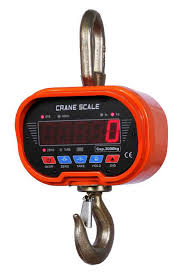
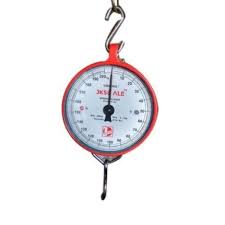
In industrial environments where heavy lifting and material handling are daily tasks, efficiency and accuracy directly impact productivity, safety, and profitability. Crane scales play a vital role in optimizing operations by providing precise weight measurements during lifting—eliminating guesswork and streamlining workflows.
Below are five key ways crane scales help industrial businesses operate more efficiently and competitively.
1. Improve Safety During Heavy Lifting
Safety is a top priority in any industrial operation. Crane scales help prevent overloading, one of the leading causes of lifting accidents.
How Crane Scales Help:
- Provide real-time weight measurements before and during lifting
- Alert operators to overload conditions
- Reduce the need for personnel to stand near suspended loads
By ensuring loads stay within safe limits, crane scales protect both workers and equipment.
2. Increase Operational Efficiency
Traditional weighing methods often require moving loads to floor scales, adding unnecessary handling steps.
How Crane Scales Help:
- Weigh loads while lifting, eliminating extra handling
- Reduce time spent repositioning materials
- Speed up loading, unloading, and processing
This streamlined approach significantly reduces cycle times in busy industrial environments.
3. Enhance Accuracy and Reduce Errors
Accurate weight data is essential for planning, compliance, and cost control.
How Crane Scales Help:
- Deliver precise, repeatable measurements
- Reduce human error from manual estimation or recording
- Ensure consistency across multiple lifts and shifts
Improved accuracy leads to better inventory tracking, fewer reworks, and more reliable reporting.
4. Support Data-Driven Decision Making
Modern digital and wireless crane scales provide more than just weight readings—they generate valuable operational data.
How Crane Scales Help:
- Log weight data automatically
- Integrate with warehouse or production systems
- Provide insights into material flow and handling efficiency
Access to accurate data enables managers to optimize processes, forecast needs, and improve resource allocation.
5. Reduce Costs and Equipment Wear
Efficient weighing helps protect machinery and reduce operational costs.
How Crane Scales Help:
- Prevent crane overloads that cause premature wear
- Minimize damage to materials and lifting equipment
- Reduce downtime from equipment failure or rework
Over time, these benefits translate into lower maintenance costs and longer equipment lifespan.
Industries That Benefit Most
Crane scales are widely used across:
- Manufacturing: Accurate material handling and quality control
- Construction: Safe lifting of steel, concrete, and components
- Warehousing & Logistics: Faster throughput and inventory accuracy
- Shipping & Ports: Compliance and optimized load planning
Conclusion
Crane scales are more than just weighing tools—they are operational efficiency enablers. By improving safety, speeding up workflows, enhancing accuracy, supporting data-driven decisions, and reducing costs, crane scales play a critical role in optimizing industrial operations.
For businesses looking to improve productivity and maintain high safety standards, investing in the right crane scale solution is a smart and strategic decision.