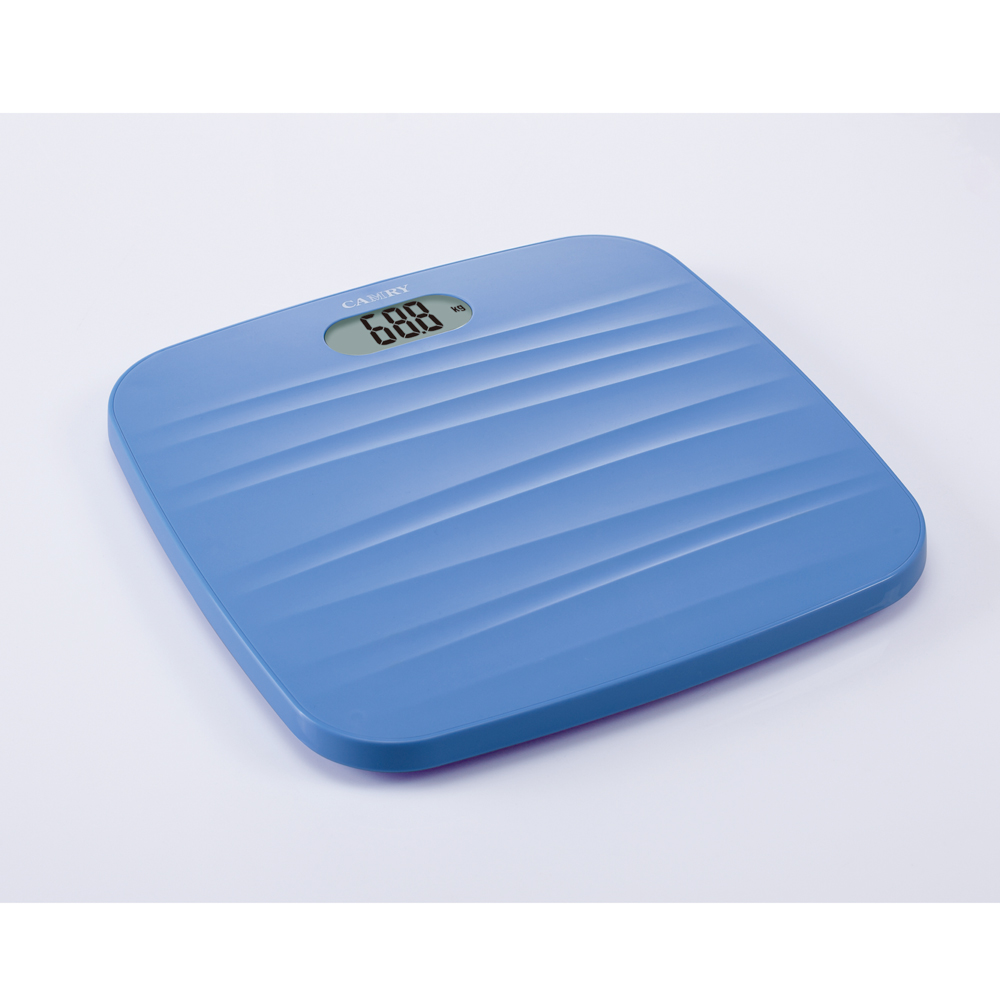
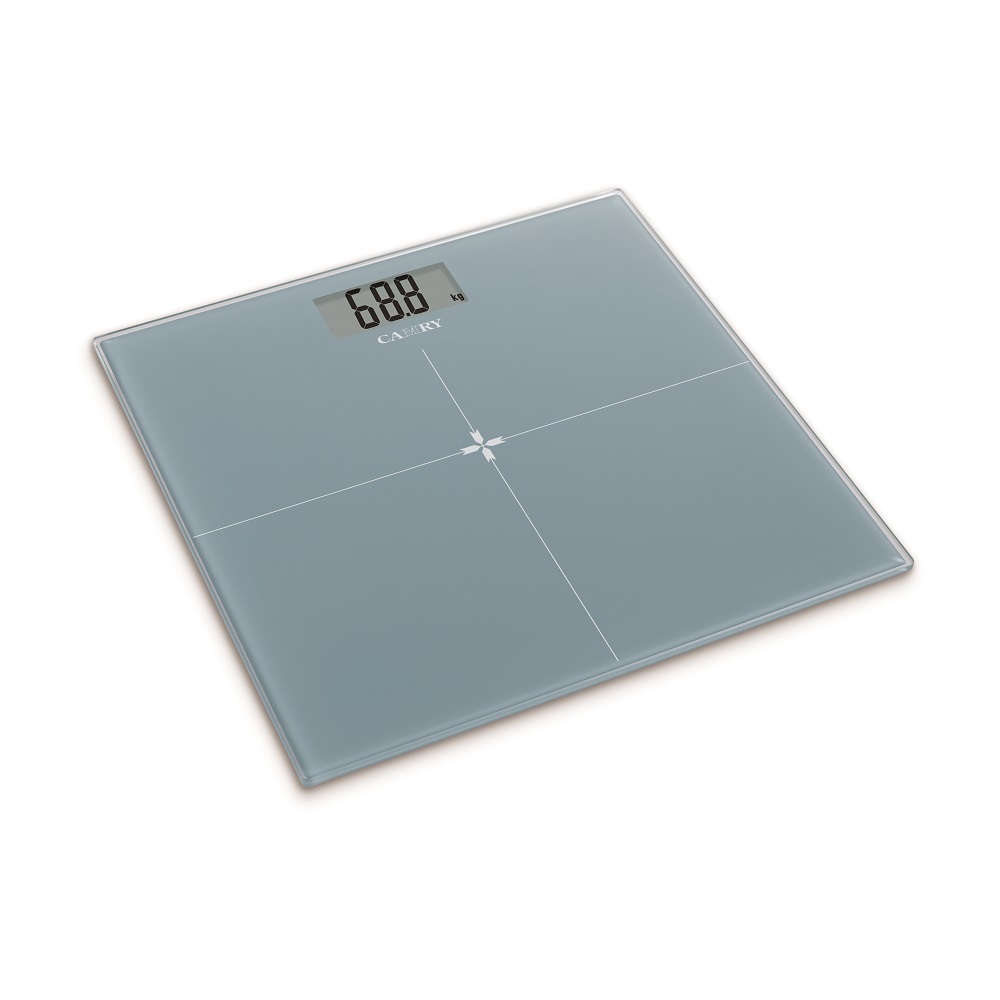
A bathroom scale can be a powerful tool for tracking your health and fitness, but only if you use it correctly. Even small errors in placement, timing, or habits can cause misleading readings. Follow these five tips to ensure your scale provides the most accurate and consistent results.
1. Place Your Scale on a Flat, Hard Surface
Where your scale sits matters. Placing it on a carpet or uneven flooring can distort the readings. For best results:
- Use a tile, wood, or laminate floor.
- Avoid areas with rugs or soft mats.
- Make sure the scale is stable and level before stepping on.
A flat, hard surface ensures the sensors work properly and produce reliable measurements.
2. Weigh Yourself at the Same Time Each Day
Your body weight fluctuates naturally throughout the day due to meals, water intake, and activity. To minimize variation:
- Weigh yourself in the morning, after using the restroom and before eating or drinking.
- Consistency helps you track meaningful trends rather than temporary changes.
3. Stand Still and Centered on the Scale
How you stand can impact your readings:
- Keep feet evenly spaced and centered on the platform.
- Avoid leaning or shifting weight to one side.
- Stand upright and still until the measurement is complete.
Maintaining proper posture allows the sensors to distribute weight accurately.
4. Check Your Scale’s Calibration
Scales can drift over time, leading to inaccurate results:
- Analog scales may require manual zeroing.
- Digital scales often auto-calibrate but check the user manual for instructions.
- Replace low batteries in digital scales promptly, as weak batteries can affect readings.
Regular calibration ensures your scale remains precise.
5. Track Trends, Not Just Daily Numbers
Daily fluctuations are normal and shouldn’t cause alarm. Instead:
- Record your readings in a journal or app.
- Focus on weekly or monthly trends rather than individual measurements.
- Combine weight tracking with body measurements, fitness performance, or body composition metrics for a more complete picture.
Trend tracking gives you a more accurate understanding of your progress over time.
Final Thoughts
A bathroom scale can be a reliable tool for monitoring weight and health, but accuracy depends on proper use. By following these five tips—choosing the right surface, weighing consistently, standing correctly, calibrating regularly, and tracking trends—you can get precise measurements that help guide your fitness and wellness goals.