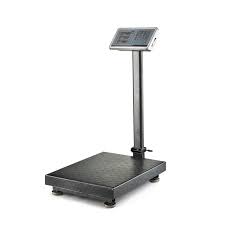
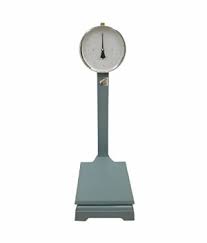
Selecting the right platform scale is critical for industrial, warehouse, and logistics operations. A well-chosen 100–500 kg platform scale ensures accuracy, durability, and efficiency across your workflow. To make the right choice, consider these five essential tips:
1. Determine the Right Capacity
Choosing a scale with the appropriate weight capacity is the first step:
- 100–200 kg: Best for smaller packages, boxes, and individual components.
- 200–400 kg: Ideal for medium-sized pallets, bulk goods, or multiple items.
- 400–500 kg: Suitable for heavy pallets, machinery parts, or industrial containers.
Tip: Always select a scale with a slightly higher capacity than your heaviest expected load to avoid overloading and ensure long-term reliability.
2. Check Accuracy and Readability
Accuracy is crucial for efficient operations:
- High-Precision Scales: Necessary for pharmaceuticals, chemicals, and food processing.
- Standard-Precision Scales: Sufficient for warehouse, logistics, and general shipping tasks.
- Readability: The smallest weight increment the scale can measure, typically 50–200 g for 100–500 kg scales.
Tip: Match the scale’s accuracy to the precision required by your operation. Over-specifying can be costly, while under-specifying can cause errors.
3. Consider Platform Size and Design
The physical size and design of the scale impact usability:
- Compact Platforms: Ideal for small spaces and lighter loads.
- Large Platforms: Perfect for pallets, crates, and bulky items.
- Low-Profile Designs: Make loading and unloading easier using forklifts, hand trucks, or trolleys.
Tip: Choose a platform that fits your workflow and handling equipment to improve speed and safety.
4. Look for Key Features
Modern platform scales offer features that simplify operations:
- Tare Function: Subtract container weight for accurate net weight measurement.
- Counting Mode: Helps in batch or component counting.
- Connectivity Options: USB, RS232, or Bluetooth for integration with ERP, printers, or software.
- Durable Construction: Stainless steel platforms and reinforced frames for heavy-duty industrial use.
- Data Logging: Useful for record-keeping and audits.
Tip: Select features that match your operational needs to maximize productivity.
5. Evaluate Durability and Maintenance
Industrial environments demand rugged, reliable equipment:
- Rugged Materials: Stainless steel or reinforced frames resist wear and corrosion.
- Environmental Resistance: Dust, moisture, and vibration resistance improve longevity.
- Consistent Performance: High-quality load cells ensure repeatable and reliable measurements.
Tip: Investing in a durable, well-built scale reduces downtime, maintenance costs, and operational disruptions.
Conclusion
Choosing the best 100–500 kg platform scale requires careful consideration of capacity, accuracy, design, features, and durability. A well-matched scale enhances efficiency, ensures safety, and provides accurate results across warehouse, manufacturing, and logistics operations. By following these five tips, you can select a platform scale that supports your workflow, improves productivity, and delivers reliable performance for years to come.