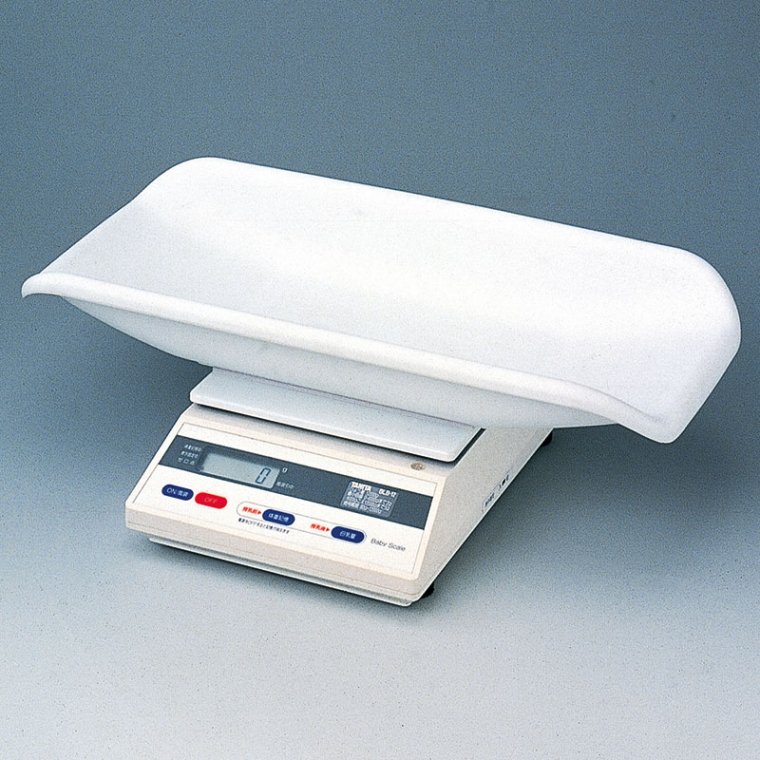
20kg capacity / 10g precision digital scale made of ABS plastic is the standard configuration for both high-end home use and portable clinical assessments. ABS (Acrylonitrile Butadiene Styrene) is preferred because it is impact-resistant, easy to sanitize, and warmer to the touch for infants than metal or glass.
Here are the top specifications and models that match your exact requirements:
1. Top Recommended Models (2026)
|
Model |
Mechanism |
Precision |
Best For |
|
Seca 354 |
Digital (2-in-1) |
5g (<10kg) / 10g (>10kg) |
Medical Grade. The tray clicks off to become a floor scale. |
|
Beurer BY80 |
Digital |
5g (Ultra-precise) |
High Value. One-piece ABS design with a curved tray. |
|
Kern MBD 20K-2 |
Digital |
10g |
Durability. Robust German engineering for professional use. |
|
Health O Meter 549KL |
Digital |
10g |
Reliability. Standard in many US pediatric offices. |
2. Key Specifications to Look For
- Material (ABS Plastic): Ensure the tray is medical-grade ABS. It should be "non-leaching" and resistant to hospital-grade disinfectants.
- Tare Function: Essential for 10g precision. It allows you to place a blanket or towel on the scale and reset it to 0.00g so you only measure the baby's net weight.
+1
- Hold Function: * Auto-Hold: Automatically "freezes" the weight on the screen once the baby stops squirming.
- Manual Hold: Allows you to capture the weight at a specific moment if the baby is exceptionally active.
- Dual Power: Most professional ABS scales in 2026 offer both battery power (usually 4–6 AA batteries) and an optional AC adapter for stationary clinic use.
3. Usage & Setup Tips
- Leveling: Even high-precision ABS scales will give errors if not level. Look for models with adjustable rubber feet and a built-in bubble level.
- Temperature: Since ABS plastic can expand/contract slightly, avoid placing the scale directly under a heater or AC vent, as this can affect the 10g strain-gauge sensors.
- Zeroing: Always check that the display reads 0.00 before placing the child on the scale. High-precision sensors can sometimes "drift" if the scale was recently moved.
4. Why 10g Precision?
At 10g increments, you can accurately track a newborn's hydration and feeding success. While standard scales might show "7.4 lbs," a 10g scale will show the difference between 3.36kg and 3.37kg, which is vital for detecting early-stage weight loss or gain.